
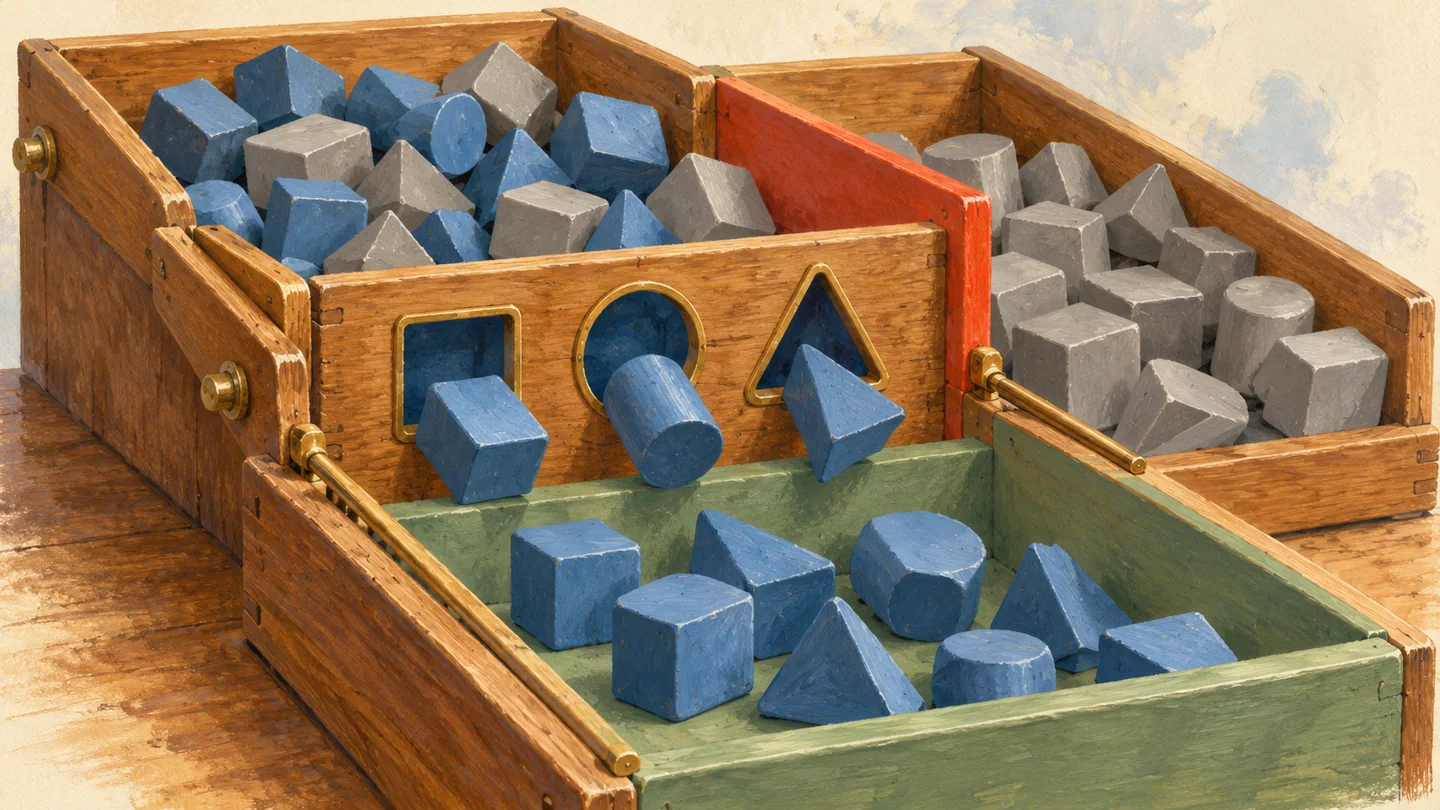
You can filter memory-optimized tables in SSMS Object Explorer, or find them with one query on sys.tables. The tests here build a database with both kinds of tables, show how durability and memory use appear in the catalog, and list the gotchas.

Schema Change Reports in SQL Server: SQL in Sixty Seconds #078
Schema change reports show which tables, views and indexes were created, altered or dropped recently. The tests here read the default trace behind the SSMS report with T-SQL, show what it misses, and set up an Extended Events session for longer memory.

ISNUMERIC Puzzle: SQL in Sixty Seconds #076
The ISNUMERIC puzzle hides a tab character. Tests on SQL Server 2025 show which strings pass ISNUMERIC but fail TRY_CONVERT, how an empty string and a lone minus sign convert to 0, and how to find control characters in imported data with a short query.

Find Rows With Single Quotes in SQL Server: SQL in Sixty Seconds #075
To find rows with single quotes, write the quote twice inside the search string. This post tests four search patterns on one million rows on SQL Server 2025, shows which two are the same query and which one costs more, and covers the curly quote that a straight quote search misses.

Delayed Transaction Durability Explained: SQL in Sixty Seconds #074
Delayed transaction durability lets a commit return before its log record reaches the disk. This post explains the idea and the three settings, then measures 10,000 small transactions on SQL Server 2025 and shows the one risk with a log write count. It ends with a simple rule for using it safely.

Live Execution Plan of a Running Query: SQL in Sixty Seconds #073
A live execution plan shows how far a query has gotten while it is still running. This post builds a slow query on SQL Server 2025, watches it through sys.dm_exec_query_profiles from a second window, and explains why rows divided by the estimate is a progress meter only when the estimate is right.
Cardinality Estimation and Performance: SQL in Sixty Seconds #072
Cardinality estimation and performance depend on each other: the optimizer guesses a row count, and that guess picks the plan and sets the reads. This post tests one query under the old and the new estimator on SQL Server 2025, shows where the new guess wins and where it loses, and explains how to switch estimators with the smallest possible change.