
Is every redundant index safe to drop? In part 2 of this interesting case of redundant indexes, Jon shows Mike a demo where a redundant index should stay.

Redundant Indexes: Index on Col1, Col2 vs Col1, Col2, Col3
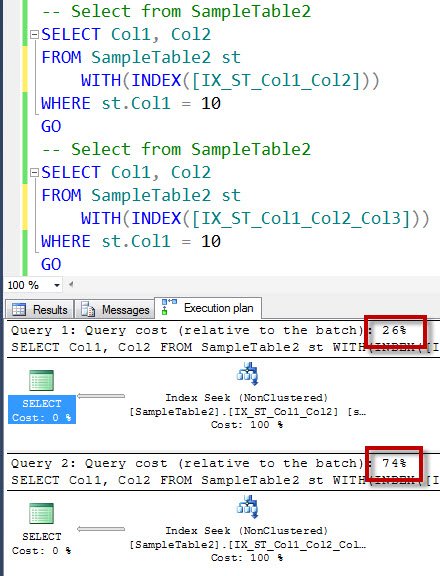
Redundant indexes cost space and slow every write, but not every one can go. This post measures an index on Col1, Col2 next to an index on Col1, Col2, Col3 on SQL Server 2025: size, plan, reads and log bytes. It ends with a safe way to remove one.

Disabling Nonclustered Indexes Before a Large Load, Then Rebuilding
Test disabling nonclustered indexes before a large load, rebuilding them afterward, and measuring total time and log use.

Delete Duplicate Records in SQL Server: SQL in Sixty Seconds #036
To delete duplicate records safely, look at them first. The tests here find the duplicates, preview the rows that will go, delete all but the newest copy inside one transaction and add a unique index so they cannot return. Every query ran on SQL Server 2025.

SAMPLED vs DETAILED: Running index_physical_stats Safely
A misspelled table name quietly turns into a scan of everything. Here is the guard, and a fair comparison of the three scan modes on one small index.

Ordering a Maintenance Window: Backups, CHECKDB and Index Work
Order a maintenance window by listing Agent schedules, separating CHECKDB, backups, index work, and statistics, then tracking growth.

A Multi-Tenant Schema With a TenantId Column: Keys, Indexes and Safety
Design a multi-tenant schema with composite keys, tenant-first indexes, trusted session context, and row-level security checks.