
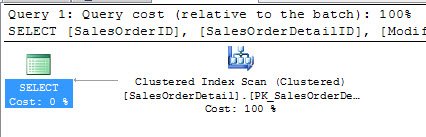
Does a function in WHERE clause really hurt performance? Using AdventureWorks and STATISTICS IO, I show what happens and how to turn a scan into a seek.
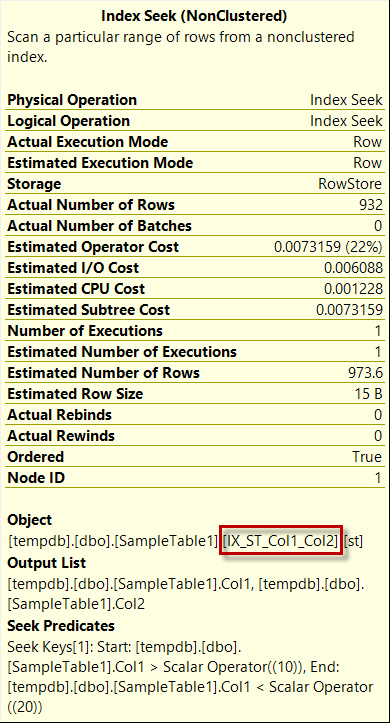
SQL SERVER – An Interesting Case of Redundant Indexes – Index on Col1 and Included Columns Col2 and Col3 – Part 5
Part 5 of my redundant indexes series looks at an index on Col1 with included columns Col2 and Col3, and how it compares with the earlier cases.

SQL SERVER – Primary Key and NonClustered Index in Simple Words
In 2006 I wrote how Primary Key and Unique Key differ. Now I fill the gap and explain primary key and nonclustered index in simple words.

SQL SERVER – An Interesting Case of Redundant Indexes – Index on Col1, Col2 and Index on Col1, Col2, Col3 – Part 4
A recap of this case of redundant indexes, from Jon and Mike’s basics to the demos where redundant indexes are useful with small and large result sets.
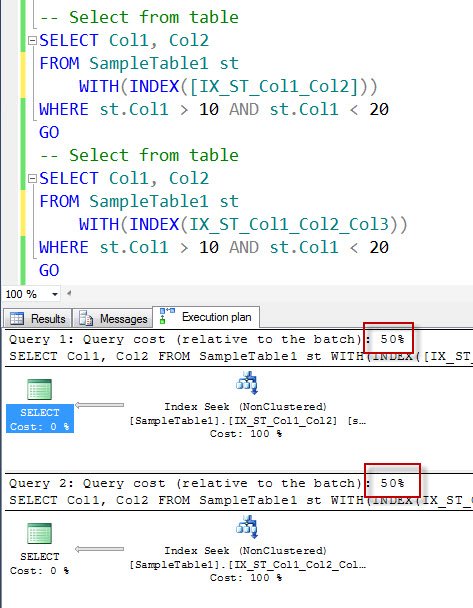
SQL SERVER – An Interesting Case of Redundant Indexes – Index on Col1, Col2 and Index on Col1, Col2, Col3 Part 3
Index on Col1, Col2 and index on Col1, Col2, Col3 Part 3: Jon and Mike ask if it is always best practice to drop redundant indexes. Here is a special case.
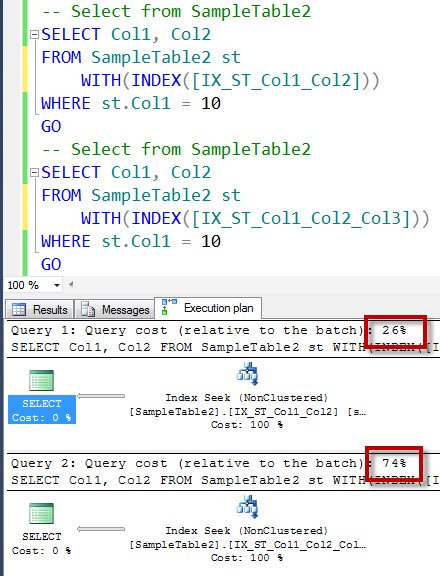
SQL SERVER – An Interesting Case of Redundant Indexes – Index on Col1, Col2 and Index on Col1, Col2, Col3 – Part 2
Is every redundant index safe to drop? In part 2 of this interesting case of redundant indexes, Jon shows Mike a demo where a redundant index should stay.

Redundant Indexes: Index on Col1, Col2 vs Col1, Col2, Col3
Redundant indexes cost space and slow every write, but not every one can go. This post measures an index on Col1, Col2 next to an index on Col1, Col2, Col3 on SQL Server 2025: size, plan, reads and log bytes. It ends with a safe way to remove one.