

A SQL Server health check becomes useful when its findings lead to a clear, justified next step. I start with recovery and access risks before tuning preferences. A warning deserves investigation, but it does not automatically justify a server change.

SQL SERVER – TempDB in RAM for Performance
TempDB in RAM needs a review of capacity, support and memory pressure. I compare those costs with the bottleneck it would address.
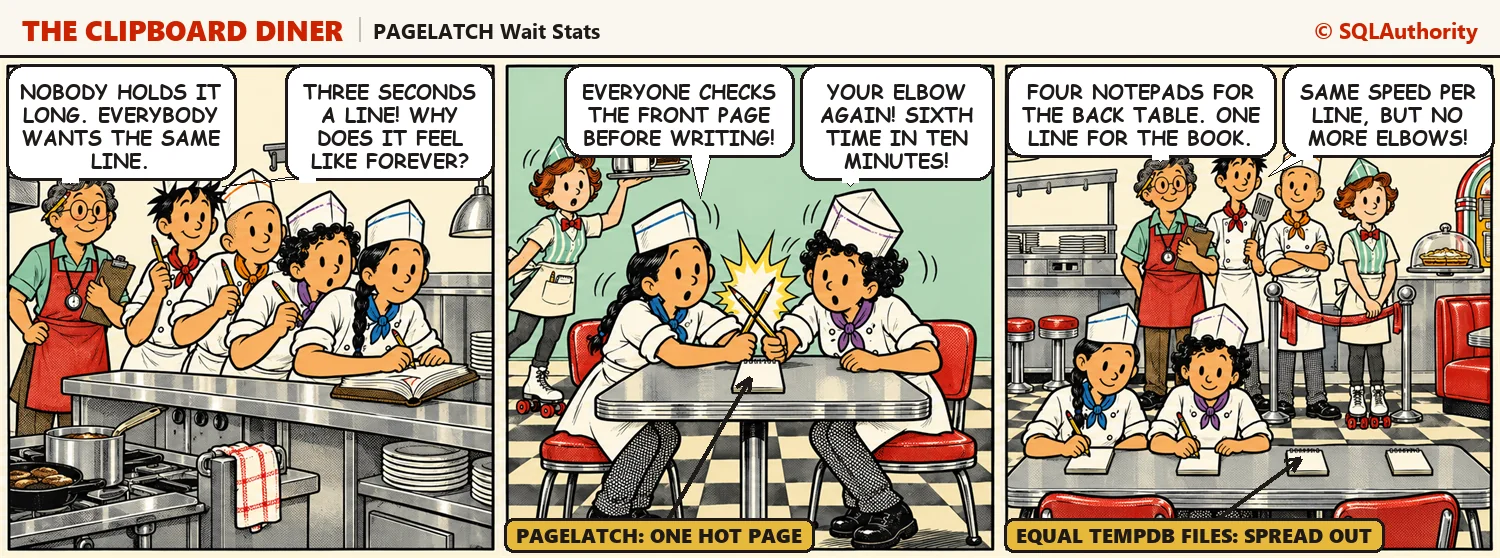
PAGELATCH Wait Stats: Hot Pages in Memory and tempdb
PAGELATCH wait stats show tasks queuing for a short grab on a page that is already in memory. On Night 12 at the Clipboard Diner, four cooks crowd one ticket book and one notepad. You’ll learn the difference between a latch and a lock, how to read a page like 2:1:1, and how to fix last page inserts and tempdb contention.
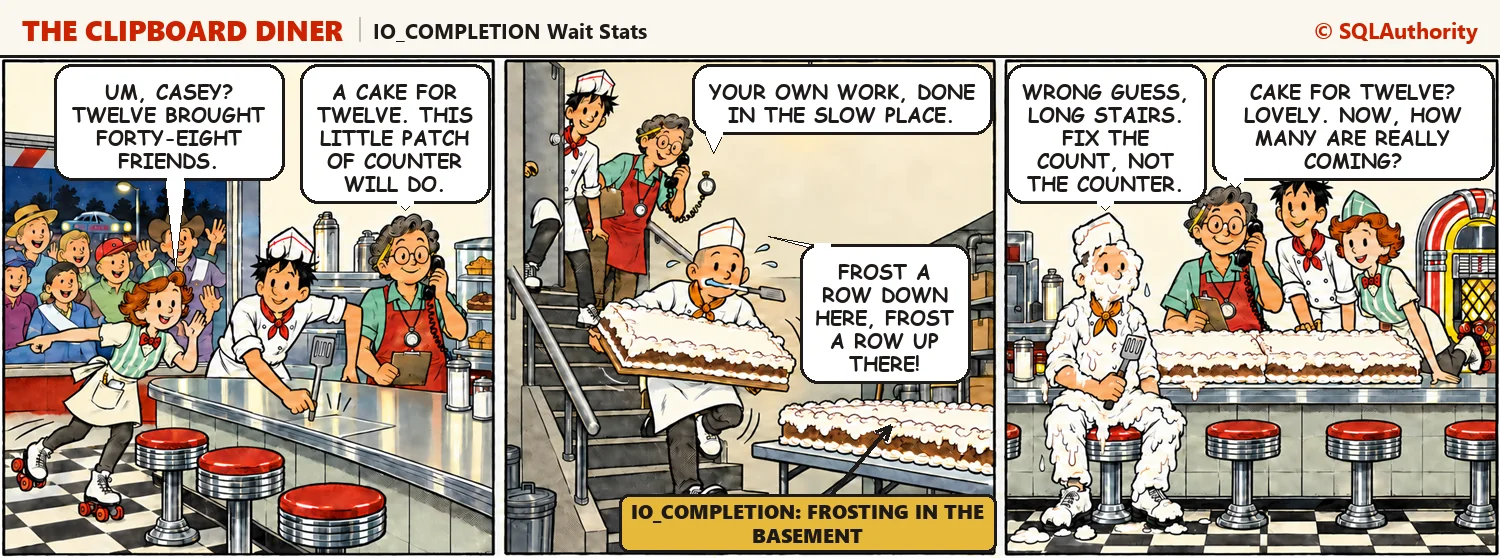
IO_COMPLETION Wait Stats: Spills, Sorts and File Growth
IO_COMPLETION wait stats measure queries waiting on disk work that isn’t a normal data page read, such as sorts and hashes that spill to tempdb. On Night 10 at the Clipboard Diner, a sheet cake for twelve turns out to be for sixty. Learn why spills happen, how to find them, and what SQL Server 2022 changed for log file growth.
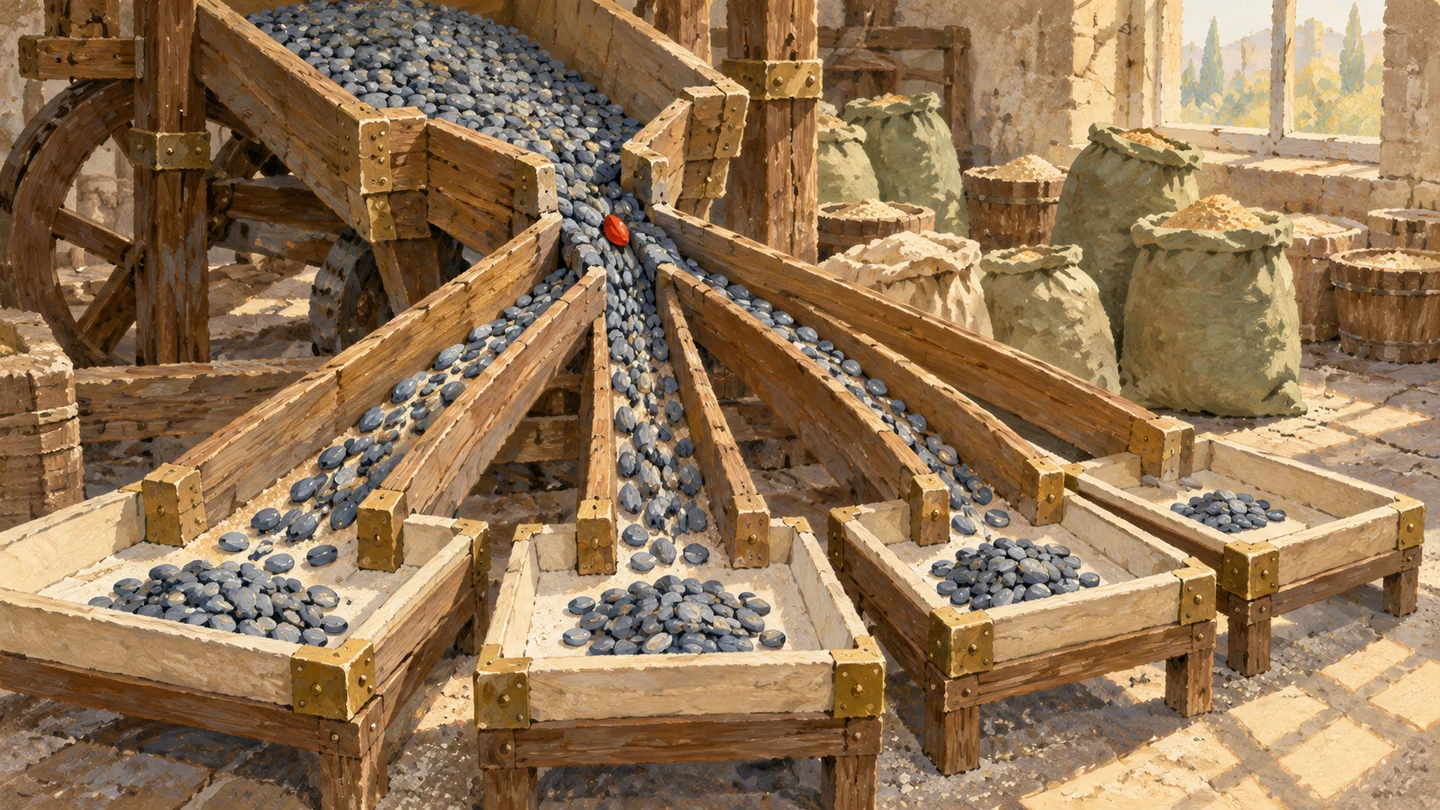
SQL SERVER – Reducing Page Contention on TempDB
Page Contention on TempDB needs an identified allocation wait and server version. I check both before recommending legacy trace flags.

SQL SERVER – SQL Challenge – SQL Puzzle – Query Creating Most TempDB IO Usage
My SQL puzzle: which queries create the most TempDB IO and grow its size? Answer with any DMV, and all valid answers get published here with credit.

Data, Log and tempdb File Placement: Checking Where Everything Lives
Check file placement for data, logs, and tempdb, inspect volume free space, and plan a Windows file move with a verified recovery path.