

This Claude on SQL Server FAQ answers the seven questions teams ask me before we set up the read, prove, then change loop. It covers safety, customer data, staging, team time, mistakes, the role of the DBA and how soon a result shows up.

Hi Messages: Ring the Bell and Say Why You’re Here
Hi messages fill my inbox, and they’re harder to answer than anything else. Someone writes “Hi” and waits, and the real question arrives hours later. This post looks at why people do it, what it costs both sides, and how to put the reason in the first message.
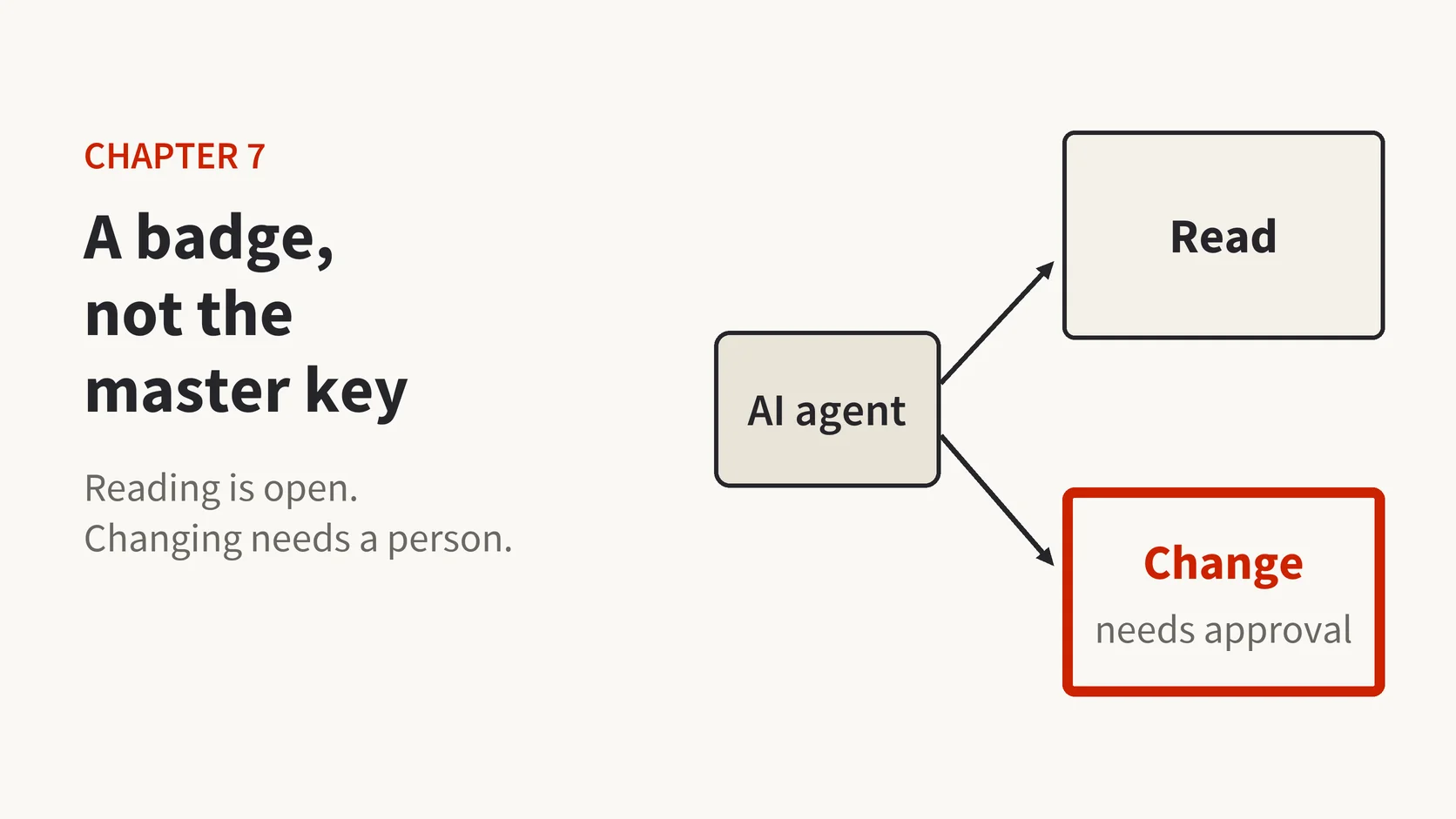
AI Agents and Security: Keys to the Building
Part seven of ten. An AI agent is a new kind of user in your systems. It reads, runs queries and takes actions, all at machine speed. These are the questions a security-minded interviewer asks before handing it any keys. Try this first, it takes a minute Paste this into…
Read More
The Query Optimizer Interview: Twenty Minutes, No Hints
The query optimizer sat down for twenty minutes and answered for itself. Why it ignored your index, why one procedure gets a plan built for the wrong caller, what it does when it cannot see your value, and the moment its own plan admits it stopped looking.

The Understudy: A Story About the Human in the Loop
Fiction. The understudy is the person paid to stay ready. Every night a system settles millions of payments in seconds. Four times a year one person does the same work by hand, on paper, against the clock, so that the ability to do it still exists somewhere in the building.
The SQL Advisor: Seven Answers, All Measured
The SQL Advisor answers seven letters with measurements instead of opinions. Table variables, what each index costs on insert, shrinking after a big delete, SELECT star, ORDER BY in a view, heaps, and whether the order of your WHERE predicates matters.
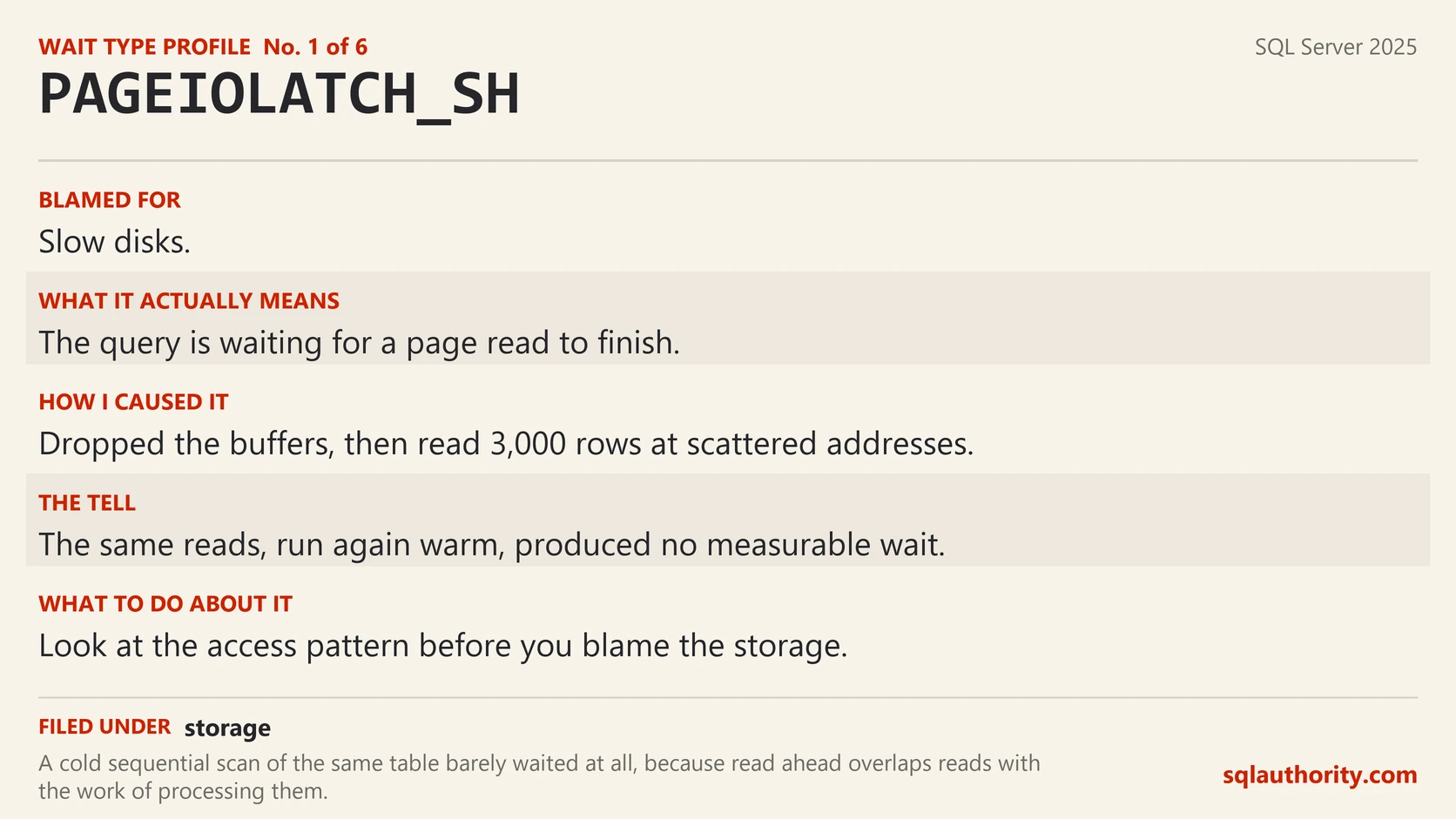
Know Your Wait Types: Six Profiles, All Induced
I caused six wait types on purpose, one at a time, and measured each one for a single session. What each is blamed for, what it actually means, and the numbers it produced on SQL Server 2025. Wait types are the most misread figures in the product.