

NOLOCK double counting is how three people in a lunch line turn into four lunches. Nothing was inserted. One row moved ahead of the scan and got read twice. I tested it on SQL Server 2025 and share a query that catches it on your own table.

NOLOCK Can Miss Rows: The Order That Was Never Missing
Yes, NOLOCK can miss rows. A row can vanish from your report while it sits safely in the table. Nobody deleted it. The read simply walked past it.
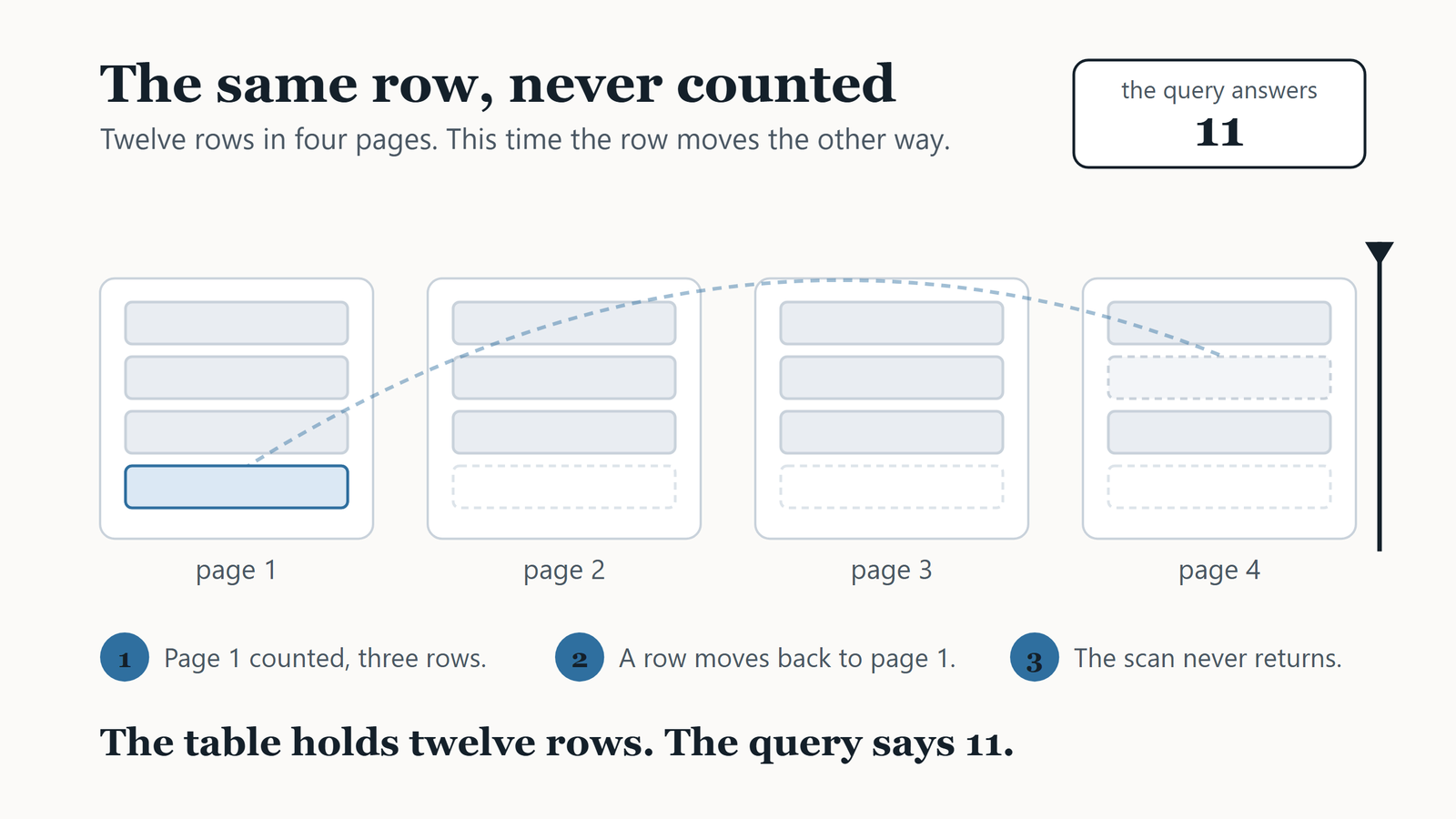
NOLOCK: Why It Counts Some Rows Twice and Misses Others
Everybody knows NOLOCK can show uncommitted data. Far fewer know why it counts some rows twice and misses others, with nothing rolled back. Let me show you.

The Locks, Blocks, and Deadlocks of SQL Server: Unraveling the Knots
SQL Server is no exception. However, it often leads to three common phenomena – locks, blocks, and deadlocks. SQL Diagnostic Manager SQL Server

SQL SERVER – Locking, Blocking, and Deadlocking: Differences, Similarities, and Best Practices
Understanding SQL Server Deadlocks: A Beginner’s Guide, and after reading it, lots of people have asked me the difference between Locking, Blocking, and Deadlocking.

Implicit Transactions in SQL Server: The Setting That Leaves Work Open
Implicit transactions make SQL Server open a transaction on the first data statement and keep it open until a COMMIT or ROLLBACK. This post shows what starts one, how @@TRANCOUNT counts it, why a second session waits, and how to find and clear the sessions that left work open.

Long Running Queries in MySQL: Find Them in Two Ways
Find long running queries in MySQL with two built-in methods: the slow query log and the Performance Schema digest table. See the settings, a ready query and how to choose between them.