

To find cross-database transactions, search the code for references to other databases, watch a live transaction with a DMV, or read special records in the transaction log. This post tests all three on two demo databases. It also shows why a popular log script flags a brand new database.
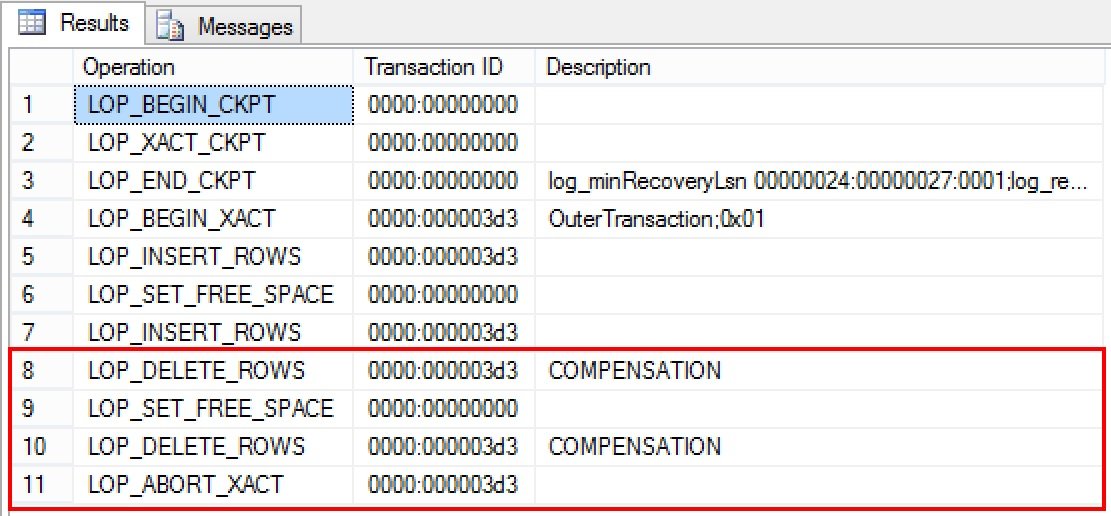
SQL SERVER – Knowing Nested Transactions Behavior with SQL Server
Does SQL Server start a new transaction for every BEGIN TRAN inside another? I show nested transactions behavior with a simple demo for a reader.

Delayed Transaction Durability Explained: SQL in Sixty Seconds #074
Delayed transaction durability lets a commit return before its log record reaches the disk. This post explains the idea and the three settings, then measures 10,000 small transactions on SQL Server 2025 and shows the one risk with a log write count. It ends with a simple rule for using it safely.

Example of Delayed Durability: How Much Faster Are Commits?
This example of delayed durability runs 50,000 small transactions on SQL Server 2025 four ways and compares time and log writes. It shows what the database setting and the commit option change, and what you risk.

Block Predicates: Stopping Writes Into Another Tenant’s Rows
A filter predicate hides rows but does not stop a bad write. Here is how block predicates close that gap, with a demo you can run.

Natively Compiled Procedures: ATOMIC Blocks and T-SQL Limits
Native procedures check every statement when you create them. Build a tiny one and see which habits it will not accept.

Syncing a Lookup Table Without MERGE: Insert, Update, Delete
Three plain statements can do the job of MERGE, and each one gives you its own row count. Here is how to build it, test it and trust it.