
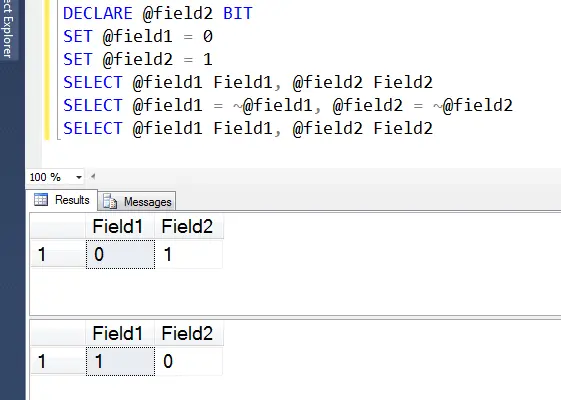
How do you flip bit field values from 0 to 1 and back? My favorite method is the ~ operator. Here is a short script that shows it.
SQL SERVER – Database Stuck in Restoring State
Is your database stuck in restoring state after you restored all backups? RESTORE DATABASE WITH RECOVERY brings it online. I show what to run and when.

Why Use Biml to Build SSIS Packages Faster
Why use Biml when SSIS already has a designer? This guest post by Reeves Smith shows how one XML file and a single variable can generate many near-identical SSIS packages, and when the extra effort pays off.

Find Rows With Single Quotes in SQL Server: SQL in Sixty Seconds #075
To find rows with single quotes, write the quote twice inside the search string. This post tests four search patterns on one million rows on SQL Server 2025, shows which two are the same query and which one costs more, and covers the curly quote that a straight quote search misses.
SQL SERVER – Search Records with Single Quotes – Part 2
Readers sent more ways to find records with single quotes: CHAR(39), CHARINDEX and REPLACE. Here are their suggestions, and all of them perform well.
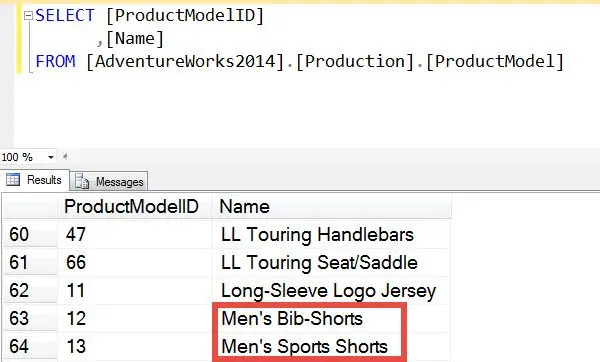
SQL SERVER – Search Records with Single Quotes
A reader asked how to search records with single quotes in a table column. A simple LIKE query with doubled quotes finds them.
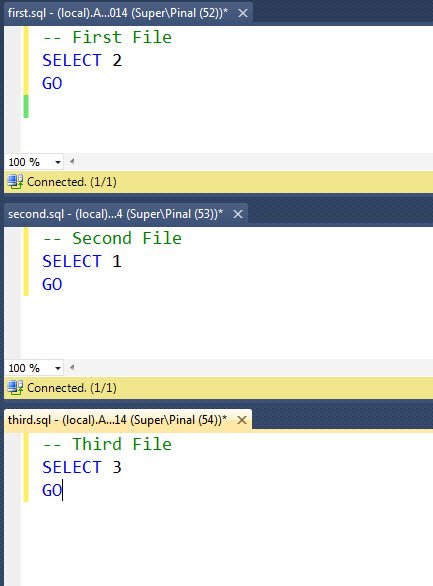
SQL SERVER – Combined Multiple .SQL files into One Single File
A friend reading on his phone wanted one file instead of 100s of scripts. I combined multiple .SQL files into one single file from the command prompt.

EXCEL / SQL SERVER – Extract the Domain from an Email Address
I took the long route to extract the domain from an email address in Excel by going through SQL Server. This is the simple Excel formula I should have used.
SQL SERVER – Finding Max Value From Multiple Values
How do you find the max value from multiple values or variables without IF or CASE? A short trick with VALUES and MAX works in SQL Server 2008 and later.
SQL SERVER – Do You Know Your Data’s Classification? – Notes from the Field #050
Tim Radney asks if you know your data’s classification, and explains why data professionals must know what data they hold and how sensitive it is.