
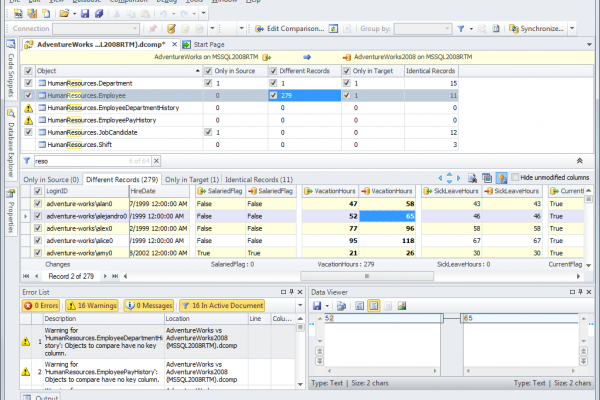
Many tools sync data between databases. Here I build the functionality to synchronize data exclusively with T-SQL, step by step, from structure to triggers.
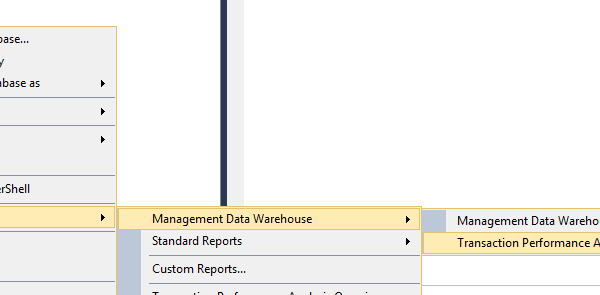
SQL SERVER – Faster Application Performance with In-Memory OLTP
How in-memory OLTP engines give faster application performance and better scalability for SQL Server databases, with a focus on SQL Server 2014.

Signal Waits: Telling CPU Pressure From Slow Disks
Measure signal waits over an interval, compare scheduler queues and file latency, and separate CPU scheduling pressure from storage delays.

SQLAuthority News – An Amazing Event – Presented at North India’s Largest Conference C Sharp Corner
There are few feelings which are hard to describe in words as this note is about an amazing event on the C Sharp Corner.

When In-Memory OLTP Helps and When It Does Not
Learn when In-Memory OLTP can reduce transaction contention, which limitations still matter, and what to measure before changing tables.

What the Cardinality Estimator Does and When It Is Wrong
Understand how the cardinality estimator predicts rows, why estimates go wrong, and which statistics and plan checks help you investigate.

MySQL Habits That Trip Up Developers Moving to SQL Server
Replace six MySQL habits with SQL Server equivalents for LIMIT, AUTO_INCREMENT, quoting, GROUP BY, duplicate inserts, and collations.
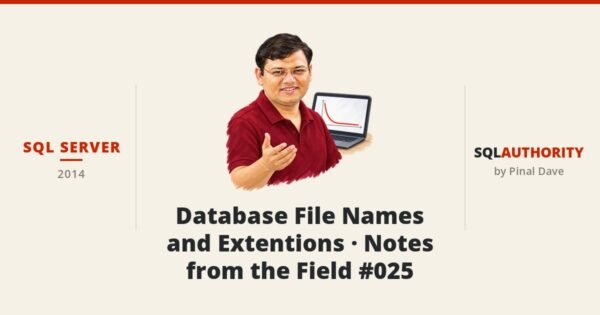
SQL SERVER – Database File Names and Extentions – Notes from the Field #025
What is in a name? Plenty, when it comes to database file names and extensions. Tim Radney shares a funny story on why naming standards matter.

Data Science: A Step Forward from Business Intelligence – Data Scientist
Who can predict which customer is going to cancel a newspaper subscription before it actually happens? It’s a Data Scientist.

Resumable Index Rebuilds: Pausing Maintenance Without Losing Progress
Run a resumable index rebuild with ONLINE and MAX_DURATION, pause and resume it, inspect progress, and weigh edition and log costs.