

Recursive CTE performance depends on finding the next children efficiently. Compare identical rows and actual plans before accepting an index change.

Trigger Overhead: Measuring the Hidden Cost of DML Triggers
Measure trigger overhead with controlled inserts, execution plans, and cached trigger statistics before moving slow work into a queue.
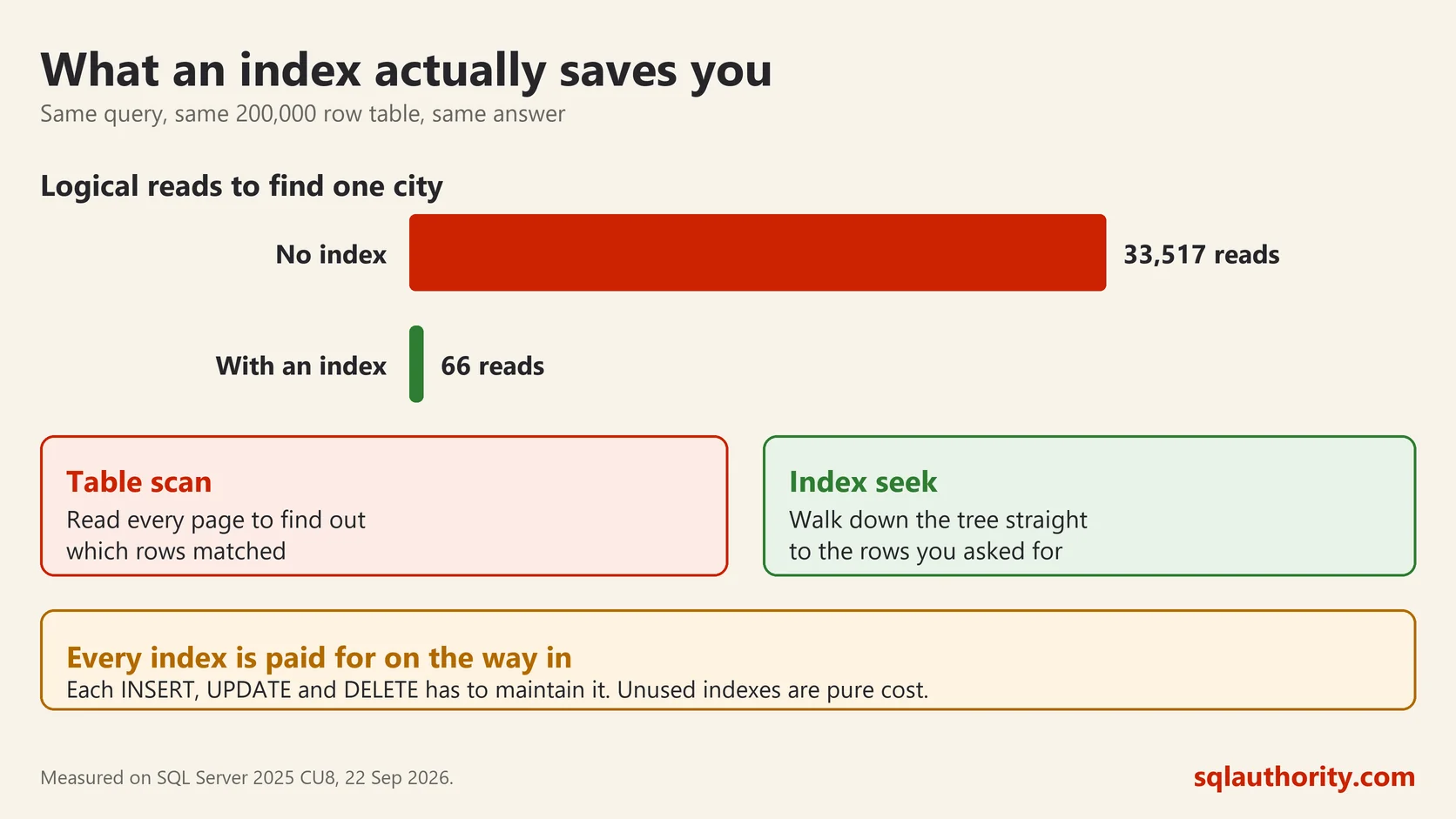
What Is an Index in SQL Server?
An index in SQL Server took one query from 33,517 reads to 66 on the same table. What clustered and nonclustered really mean, why every index is paid for on the way in, and how to find the ones nobody uses.
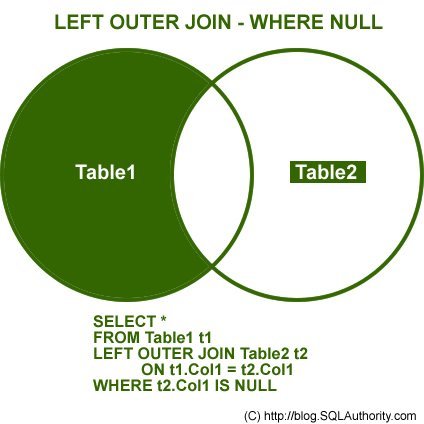
SQL SERVER – Converting Subqueries to Joins
Developers often write subqueries where Joins would do, or the other way around. A short note on converting between the two, with links to my earlier examples.

Checking XACT_STATE Before COMMIT or ROLLBACK in a CATCH Block
XACT_STATE separates transaction validity from the decision to retain work. Two isolated examples show a doomed transaction and a committable one, both with deliberate errors. Clean up on the same connection and respect the caller’s transaction ownership.

Stress Testing a Query Before Release
Stress testing a query before release reveals concurrency and parameter risks; learn to design realistic SQL Server tests and compare useful metrics.

Explaining a Query Plan to a Developer
Explaining a query plan starts with the costly work, checks estimates against actual rows, and turns findings into a clear code decision.