

CPU Pressure means tasks are ready to run but every scheduler is busy, so they wait in a queue. This post reads that queue from the schedulers, compares signal waits with resource waits, checks recent CPU history and finds the queries that use the most CPU. It ends with a plain way to decide between a faster CPU, more cores and better queries.

Finding Sleeping Sessions That Still Hold Locks
Find sleeping sessions with open transactions, inspect their locks and last batch, and identify the application owner before ending work.

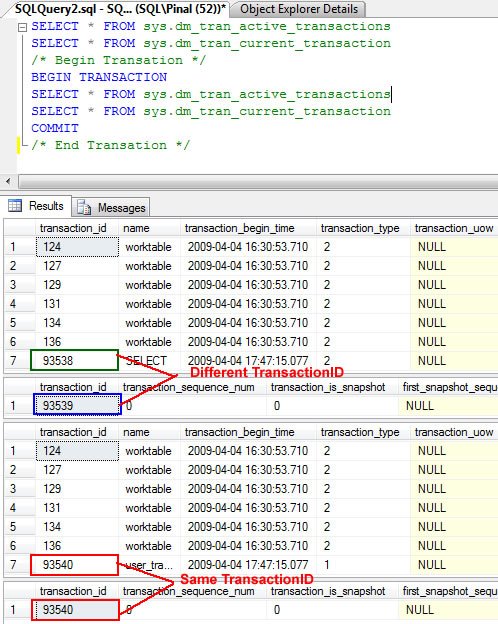
SQL SERVER – Interesting Observation of DMV of Active Transactions and DMV of Current Transactions
sys.dm_tran_active_transactions and sys.dm_tran_current_transaction look alike, but one lists active transactions for the instance, the other only your session.

How Many CPUs SQL Server Really Uses
CPUs SQL Server really uses depend on edition, guest topology, affinity, and online schedulers; learn to see the instance’s usable capacity.

user_lookups: Verify the Plan Before Adding Coverage
user_lookups helps identify where to investigate missing coverage. Compare complete query results and actual plans before adding included columns. Weigh the read benefit against storage and write costs.

Index Usage Snapshots: Reject Invalid Counter Deltas
Index usage snapshots require a valid counter window. Keep missing rows and lifecycle gaps visible. The guarded example rejects invalid pairs before calculating any activity delta.