

SQL Server 2022 introduces a powerful new feature called Degree of Parallelism (DOP) feedback as part of the Intelligent Query Processing (IQP).

Parallelism in Express Edition: What the Limits Mean
Parallelism in Express Edition has its own reason code in the execution plan. This post reads that reason, shows the settings that keep a plan serial on any edition, and tests the check on a demo table.

Table Variables and Parallelism: Reads Yes, Inserts No
Table variables and parallelism: reads can run in parallel, inserts cannot. See the plan reason, the 1-row estimate at old levels, and when to use a temp table.

Threads With Zero Rows in a Parallel Plan, Measured
A parallel plan can show threads with zero rows, and that is normal. This post reads the per-thread row counters of two real plans on SQL Server 2025 and shows where the empty threads come from. It also says when an empty thread points to a real problem.

DBREINDEX and MAXDOP: Use ALTER INDEX to Limit Parallelism
DBREINDEX and MAXDOP do not combine: DBCC DBREINDEX has no MAXDOP option, so it follows the server setting. This post shows the three errors, rebuilds a demo index with ALTER INDEX at different MAXDOP values, and measures the degree of parallelism each one used.

List All Parallel Queries – SQL in Sixty Seconds #098
During the recent Comprehensive Database Performance Health Check, my client asked me if I have a query which can list all the parallel queries.
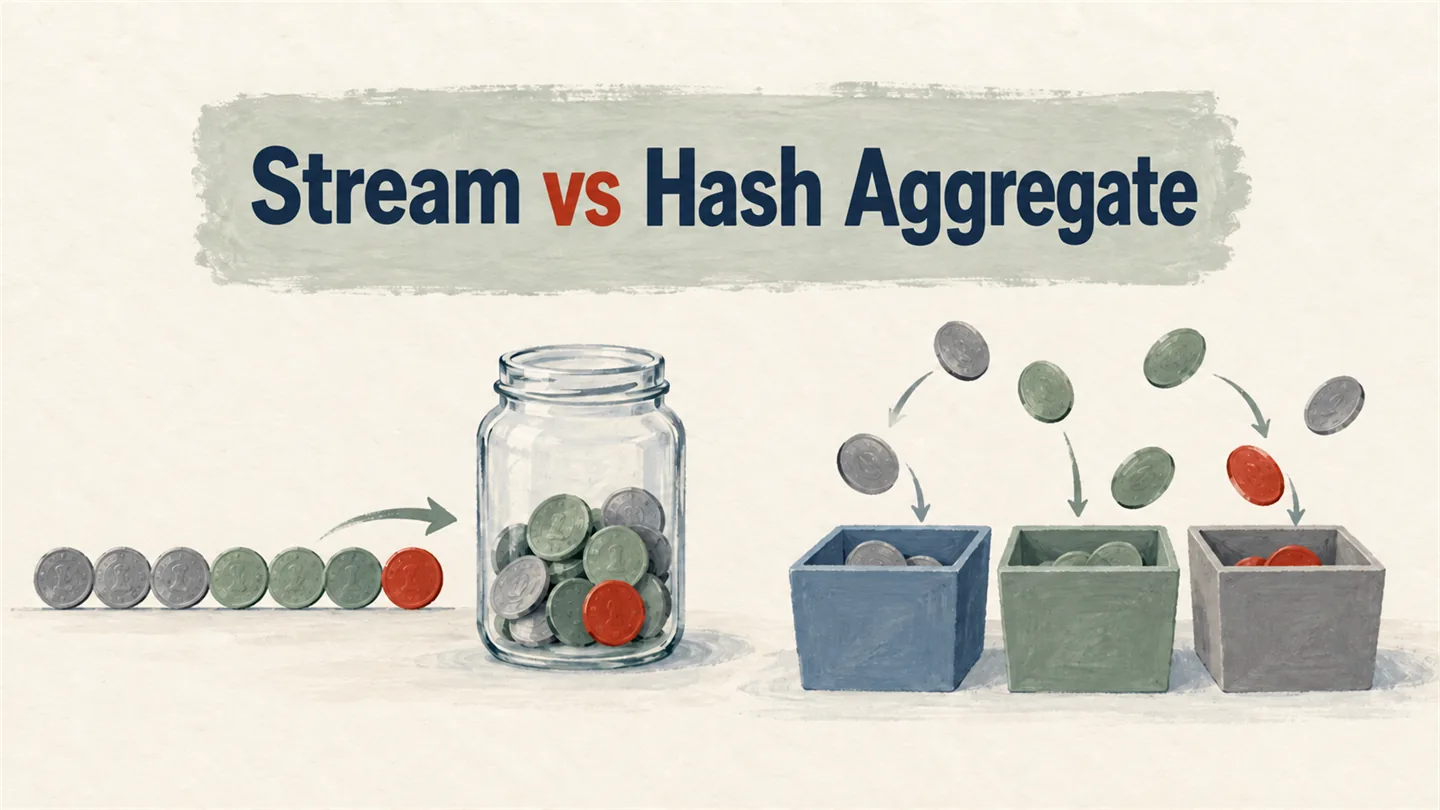
SQL SERVER – Stream Aggregate and Hash Aggregate
Recently during the on-demand consultation, I was asked a very interesting question about Stream Aggregate and Hash Aggregate.