

Read a database benchmark by checking workload rules, hardware, durability, latency, pricing scope, and whether the test can be repeated.

Linked Servers and What Goes Wrong With Them
Investigate linked server performance and failures by checking remote work, provider settings, security mappings, and the alternatives available.

In-Place Upgrade or Side by Side: Choosing Properly
Compare an in-place upgrade with a side-by-side SQL Server migration, including downtime, testing, dependencies, and recovery after cutover.
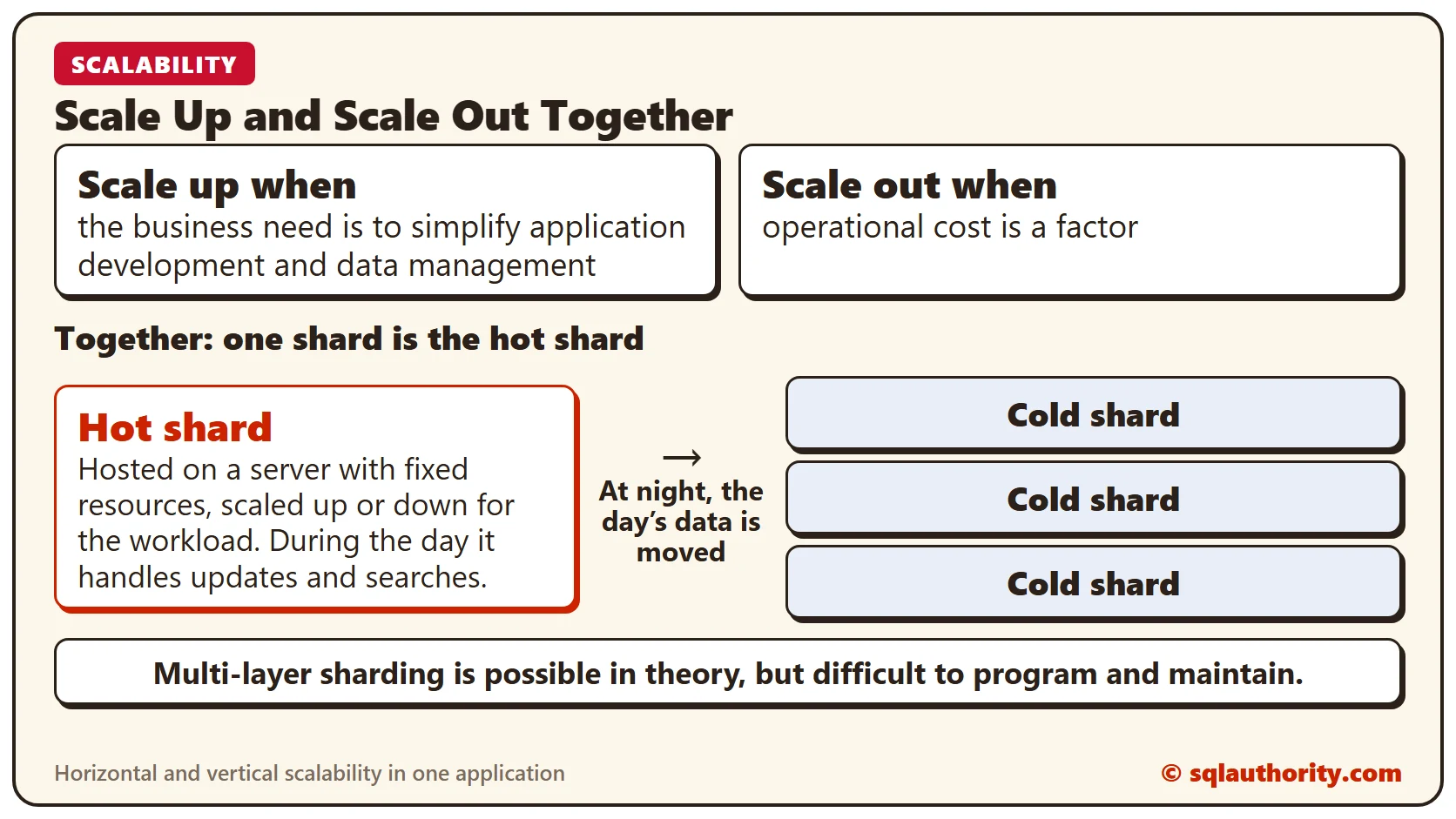
Horizontal and Vertical Scalability: Why They Work Better Together
Horizontal and vertical scalability are not an either-or choice. Here is how scale-up and scale-out can work better together in one application.

Finding Orphaned Child Rows Before Adding a Foreign Key
Find orphaned child rows before adding a foreign key, review their business meaning, validate relationships, and confirm constraint trust.

What You May and May Not Do With SQL Server Developer Edition
Understand Developer Edition rights, identify the installed SQL Server edition, and keep shared test systems separate from production work.
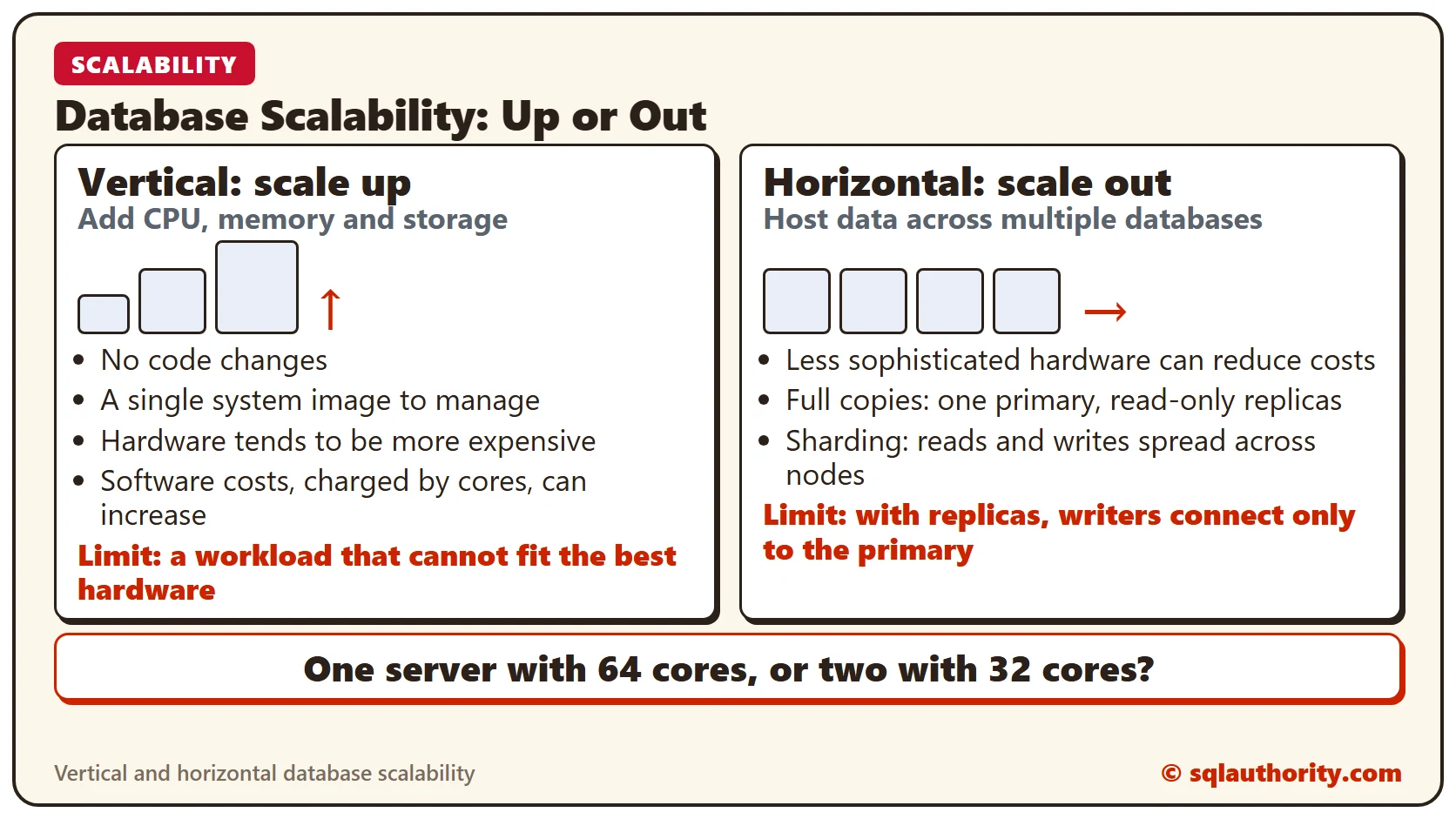
Database Scalability: Vertical and Horizontal Explained
One server with 64 cores or two with 32 cores? A customer asked me to help decide. Here is a simple look at database scalability, vertical and horizontal.