

My exploration with SQL Server 2016 features are just continuing and I am delighted every other day to figure out something new been added to the capabilities which in the opinion were of limited capacity in the prior versions of SQL Server. I will spare the ranting exercise for now but will look at some of the things that caught my attention in my recent exploration with SQL Server InMemory OLTP enhancements.

SQL SERVER – Identifying InMemory OLTP Hash Collisions
It is about a few weeks back that I wrote about how InMemory OLTP Hash Collisions can happen and how it can affect performance. Here is a recap of that post for your reference and do check the same before proceeding reading this blog post.

SQL SERVER – Finding Waits For Any Session with Extended Event wait_info
It becomes a great win-win situation. Let us learn about Extended Event wait_info in this blog post. Do you think this script will be useful for you?

SQL Server – InMemory OLTP Hash Collisions Performance Overhead
Sometimes the best of learnings are based on people’s questions. I always feel when questions are asked, more the learnings are. In a recent session for a customer who had implemented SQL Server 2014 InMemory OLTP in their systems, they were getting bad performance even when they were using InMemory OLTP.
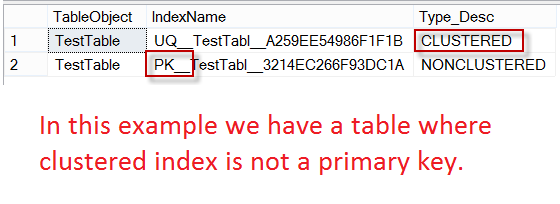
SQL SERVER – Identify Table Where Clustered Index is Not a Primary Key – DMV
Let us first see script which will return us tablename with schema where clustered index is not a primary key.

SQL SERVER – Updating Data into ColumnStore Index with SQL Server 2012
Off late I have been writing tons of content working with SQL Server 2016. Some of the cool capabilities was to introduce the ability to update a ColumnStore index. This was also covered in the SQL SERVER 2016: Updating Non-Clustered ColumnStore Index Enhancement earlier. One of the readers asked me an interesting question about being inside SQL Server 2012 and they wanted to write / update their data on the ColumnStore enabled system and what was the process for them. The email started saying they were getting the following error.
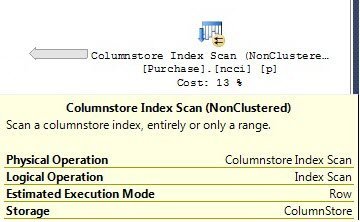
SQL SERVER – ShowPlan XML Additions for ColumnStore Indexes
The last time when I wrote about ColumnsStore FAQ, one of the readers had an interesting question. The question was around how to identify the traits of using a column store inside an execution plan. The very thought got me thinking. I was thinking where to start. I remembered that ShowPlan XML was a great way to see some of these attributes. The very next question that came up, what should one look forward to inside a ShowPlan XML.