Part 2 of my Guidelines and Coding Standards: nest single quotes, add parentheses for readability, use IF EXISTS with SELECT 1, and avoid the SP_ prefix.
SQL SERVER – Guidelines and Coding Standards Part 1
Guidelines and Coding Standards Part 1: Pascal naming for tables, and naming patterns for stored procedures, triggers, indexes and keys.

SQL SERVER – Explanation about Usage of Unique Index and Unique Constraint
When should you use a Unique Index and when a Unique Constraint? Imran Mohammed explains, and shows how to handle a column with more than one NULL.
SQL SERVER – 2008 – Introduction to Table-Valued Parameters with Example
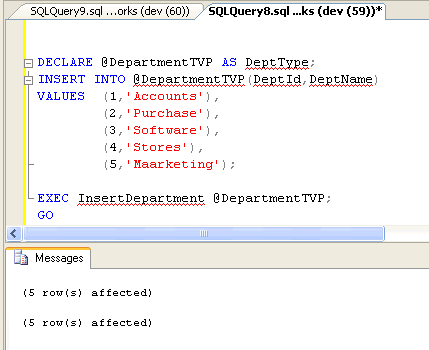
Table-Valued Parameters in SQL Server 2008 let you pass many rows to a stored procedure without a temp table. I walk through the steps with a Department example.

Recursive CTE Performance: Index the Child Lookup
Recursive CTE performance depends on finding the next children efficiently. Compare identical rows and actual plans before accepting an index change.

SQL SERVER – Behind the Scene of SQL Server Activity of – Transaction Log – Shrinking Log
Why does an LDF file keep growing even with hourly log backups? Imran Mohammed explains what goes on behind the scene of the Transaction Log and shrinking.