

Three AdventureWorks examples show how the Query Optimizer picks an index, what happens when you force one, and how that changes the index and execution plan.
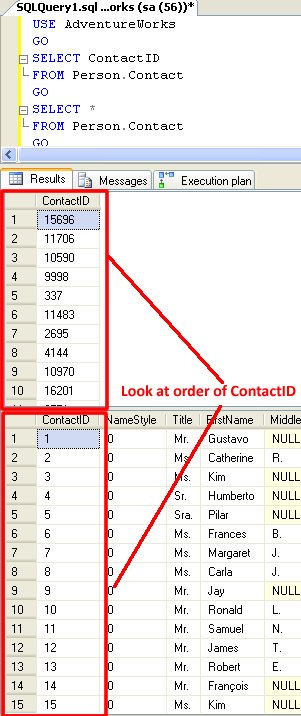
SQL SERVER – Interesting Observation about Order of Resultset without ORDER BY
Two simple AdventureWorks queries return the same rows in a different order without ORDER BY. I explain why that order is never guaranteed.

Baselines: Knowing What Normal Looks Like
Build a SQL Server baseline with timestamped workload, wait, and IO samples so you can compare a slowdown with a similar period of normal work.

Why One Query Has Two Cached Plans: SET Options and plan_attributes
Investigate two cached plans with plan_attributes, decode differing SET options, and match application settings before diagnosing skew.
SQL SERVER – Refresh Database Using T-SQL
Can you refresh database in Object Explorer using a T-SQL query? No. But if cached objects changed, DBCC commands can clear the cache for you.
SQL SERVER – DECLARE Multiple Variables in One Statement
Yes, you can DECLARE multiple variables in one statement in SQL Server. Compare both methods side by side: one statement per variable, or all in one line.
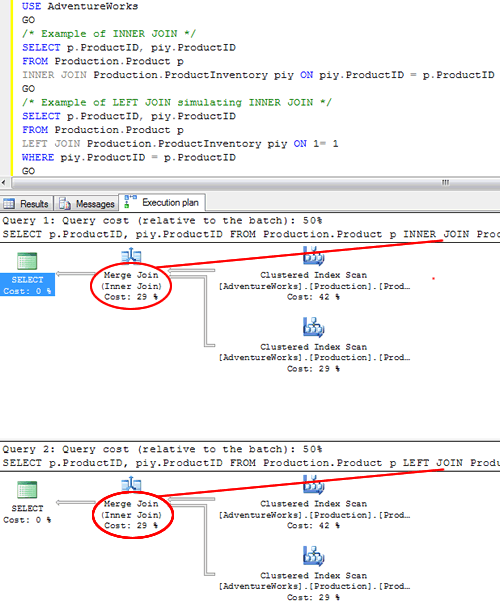
SQL SERVER – INNER JOIN using LEFT JOIN statement – Performance Analysis
Can you write an INNER JOIN using LEFT JOIN? Yes, and the result is the same, but my performance analysis in AdventureWorks shows why you should not.