
Part two of my SQL Server Magazine series is a quick look at SQL Server configuration for performance and the settings I check first with new clients.

SQL SERVER – A Quick Note on DB_ID() and DB_NAME() – Get Current Database ID – Get Current Database Name
A quick note on DB_ID() and DB_NAME(): how to get current database name and ID, and how to turn a database ID into a name and back again.

Using Query Store to Prove an Upgrade Did Not Hurt
Plan a Query Store upgrade comparison with a captured baseline, matched workload periods, regression review, and carefully monitored plan forcing.

Force a Plan With Query Store: Undo a Bad Plan in Minutes
Force a plan with Query Store when a query turns slow after a plan change. This post builds a regression, finds both plans in Query Store, forces the good one, measures what forcing costs and shows when to unforce.

Learning SQL Server on a Budget
Learning SQL Server on a budget is possible with free development editions, official documentation, samples, and community practice.

SQL SERVER – master Database Log File Grew Too Big
A reader found the master database log file grew very large even in simple recovery mode. I share the full email and ask what you would suggest.

SQL SERVER – Get File Statistics Using fn_virtualfilestats
Which MDF or NDF file is the busiest? This query uses fn_virtualfilestats to show reads, writes, IO stalls and size for every database file.

SQL SERVER – DMV – sys.dm_exec_query_optimizer_info – Statistics of Optimizer
The DMV sys.dm_exec_query_optimizer_info keeps statistics of optimizer activity. My simple query shows optimizations, elapsed time, final cost and more.

Striped Backups: Writing One Backup to Several Files
Use striped backups across several files, inspect media families, restore every stripe, and test resource settings on your own server.
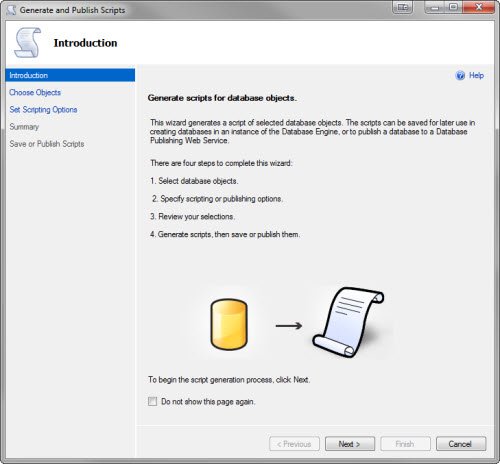
SQL SERVER – Copy Statistics from One Server to Another Server
Without the client’s data, every query ran in zero milliseconds. Here is how I copy statistics from one server to another to tune with only the schema.