

Plan migrating from PostgreSQL by checking identity values, Unicode, timestamps, paging, returned rows, collations, and upsert behavior.

In-Memory OLTP in SQL Server: Memory-Optimized Tables Explained
In-Memory OLTP stores selected tables in memory and uses row versions instead of locks. This post builds a small demo database, compares a disk table with two memory-optimized tables, and tests a natively compiled procedure. It also covers durability, bucket counts and memory use.
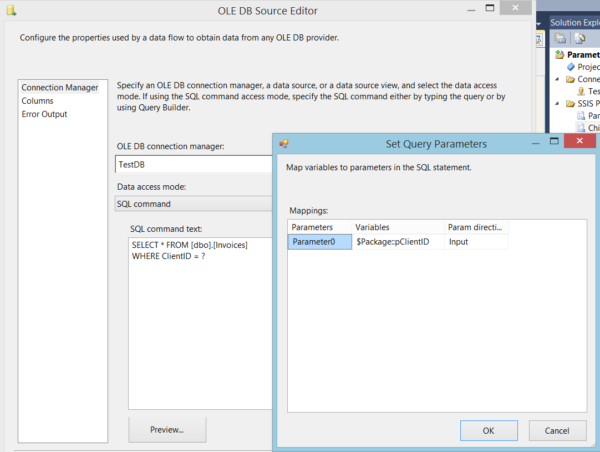
SQL SERVER – SSIS Parameters in Parent-Child ETL Architectures – Notes from the Field #040
Tim Mitchell reviews how to use SSIS parameters in Parent-Child ETL architectures, a very common design pattern in SQL Server ETL work.
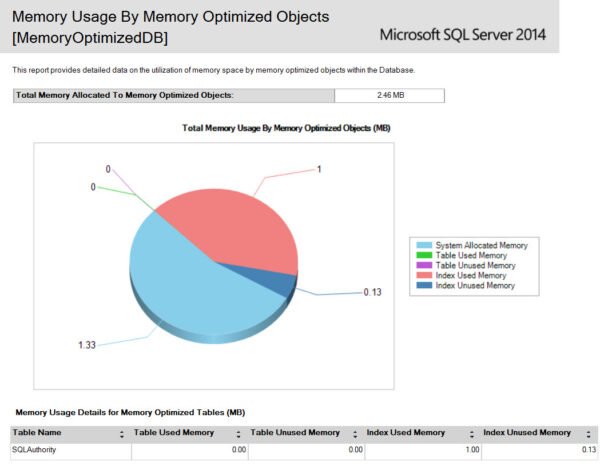
SQL SERVER – SSMS: Memory Usage By Memory Optimized Objects Report
Why is SQL Server using all the memory? In-Memory OLTP in SQL Server 2014 makes it trickier. This SSMS report shows memory used by memory optimized objects.
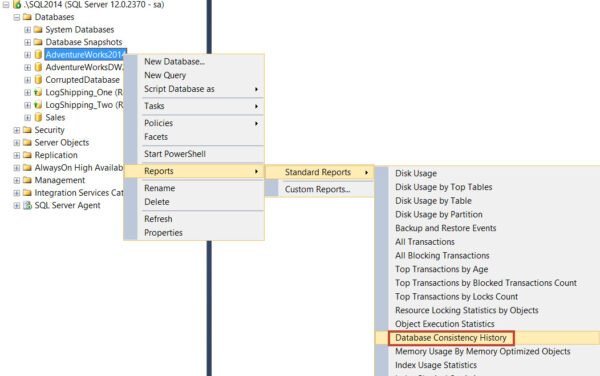
SQL SERVER – SSMS: Database Consistency History Report
Like a doctor looking for patterns in symptoms, the Database Consistency History report in SSMS shows the history of consistency checks on a database.
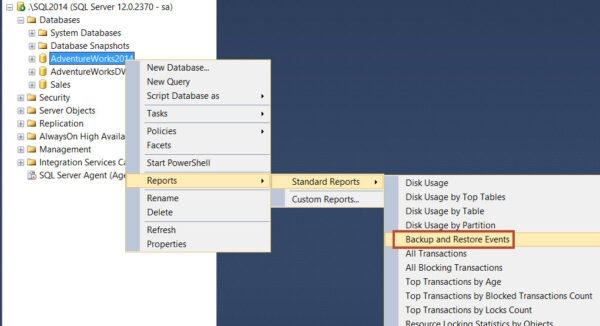
SQL SERVER – SSMS: Backup and Restore Events Report
Backups look trivial until the day a disk crashes. The Backup and Restore Events report in SSMS shows the history of those tasks for a database.

Block Predicates: Stopping Writes Into Another Tenant’s Rows
A filter predicate hides rows but does not stop a bad write. Here is how block predicates close that gap, with a demo you can run.
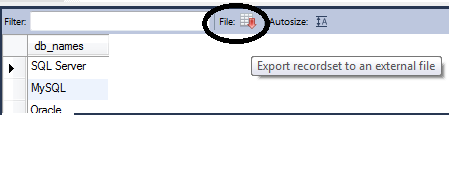
MySQL – Export the Resultset to CSV file
In MySQL you can export a resultset to CSV in more than one way. I show two methods: the Export option in Workbench and the INTO OUTFILE command.
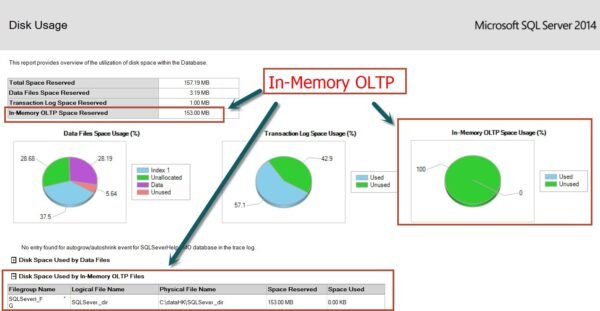
SQL SERVER – SSMS: Disk Usage Report
After a doctor joke, we move from server level reports to database level ones, starting with the Disk Usage report in SSMS.

Developer’s Life – Disaster Lessons – Notes from the Field #039
Mike Walsh shares disaster lessons from his own life, a non-technical post about what to do when disaster hits you as a person, not your servers.