
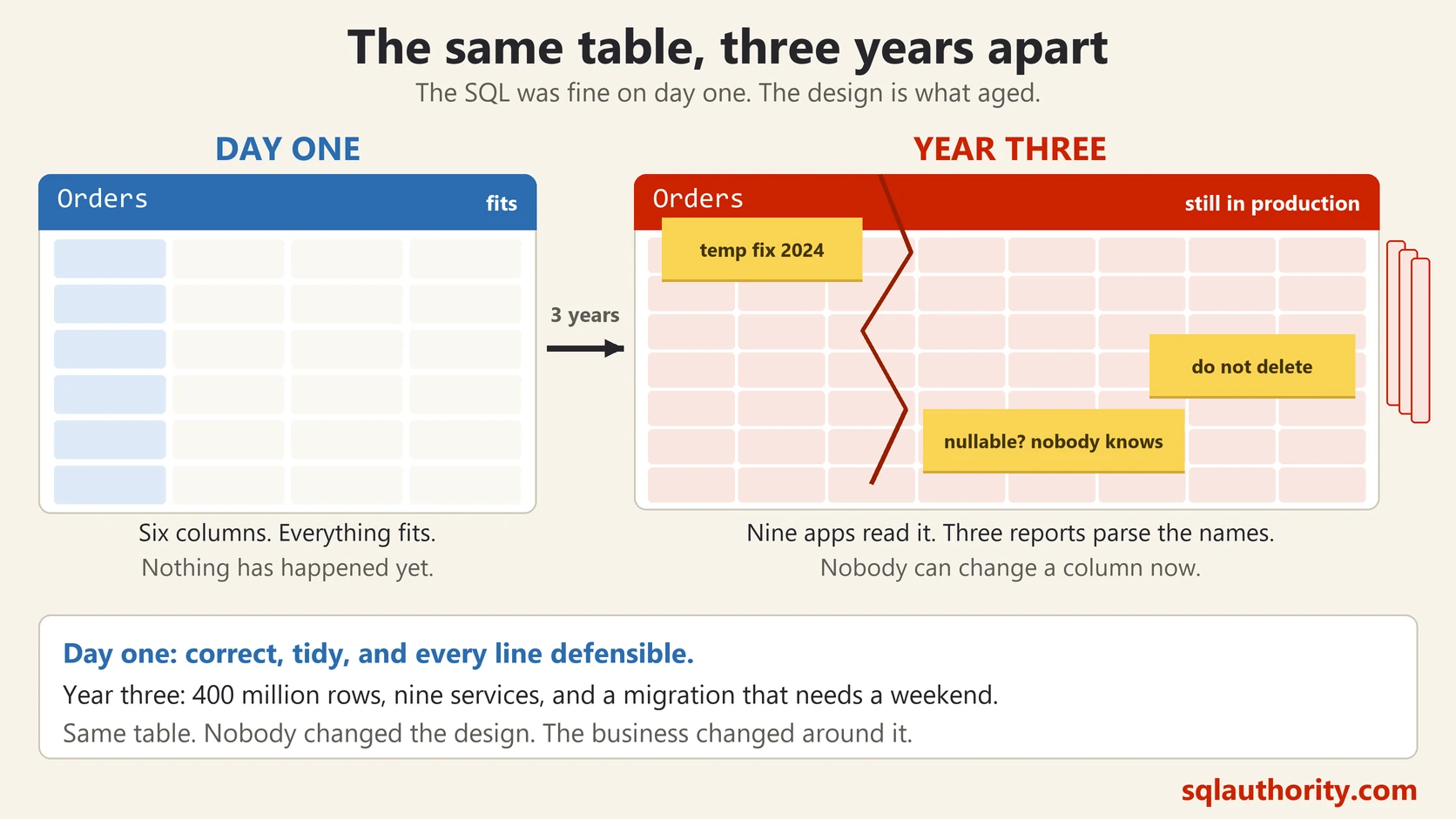
AI database schemas look correct on the day they are written and hurt in year three. On a recent consulting engagement we changed five lines of a generated orders table. Here is the before and after, and what those five lines cost when I measured both on SQL Server 2025.
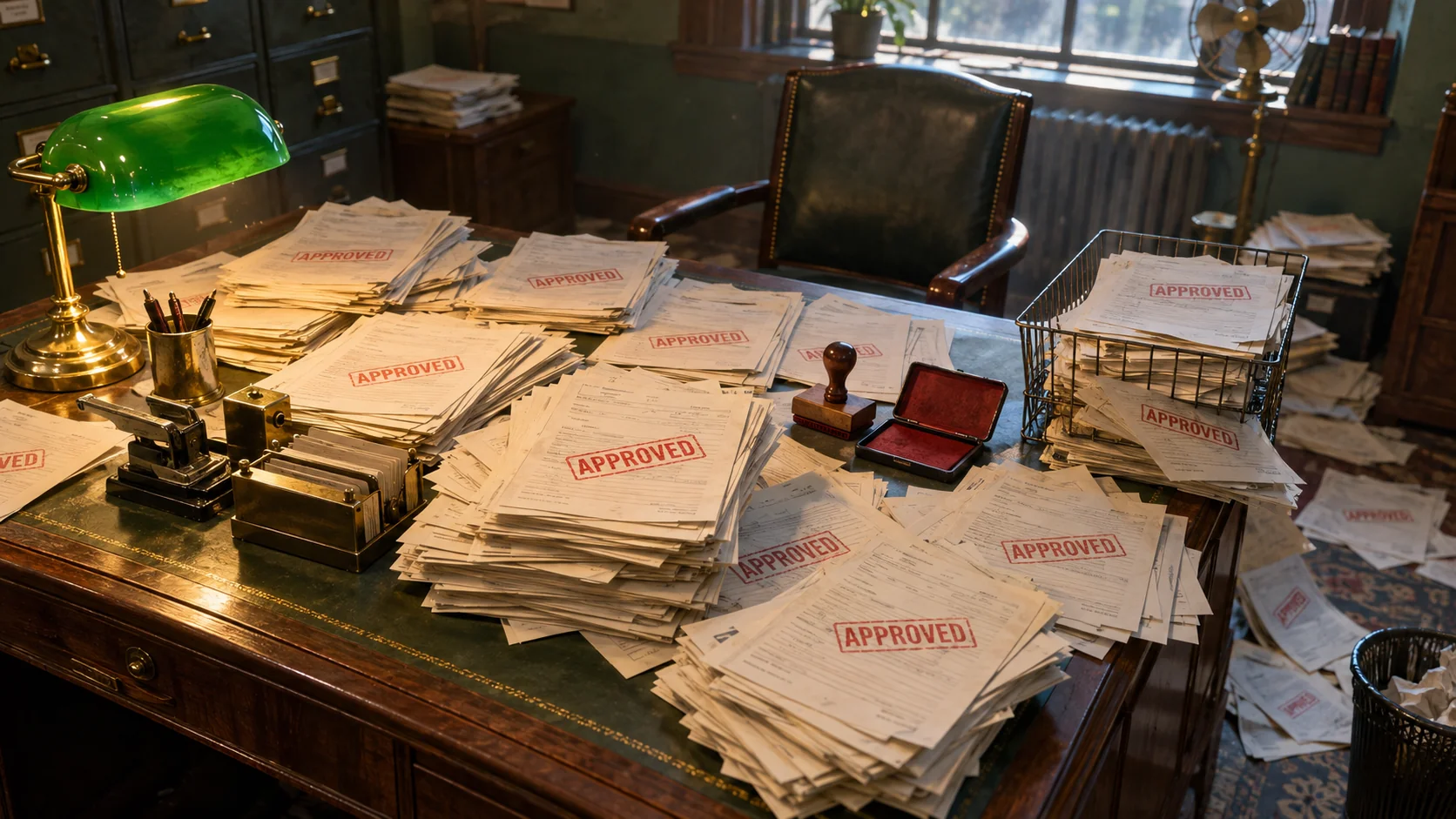
Technical Debt at AI Speed: Nobody Set a Credit Limit
Technical debt used to grow only as fast as people could type. AI coding assistants removed that speed limit, and the new debt looks clean enough to pass every review. These are the early warning signs, and what I’d tell leaders to do before the bill comes due.
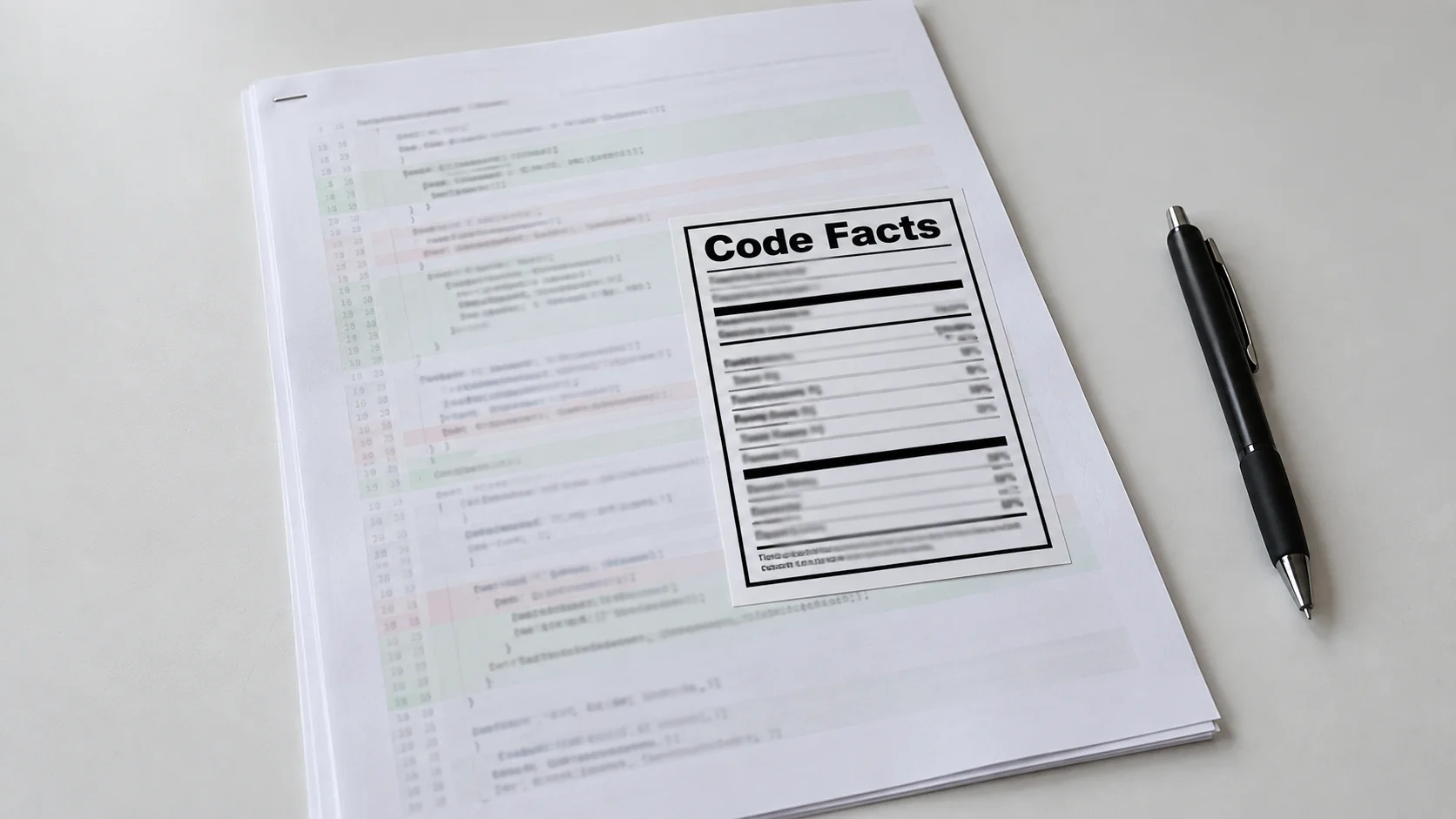
AI-Generated Code: The Nutrition Label It Should Come With
AI-generated code arrives without a label. Food does not. So here is the label, one serving being one pull request, and what to check before you swallow it.
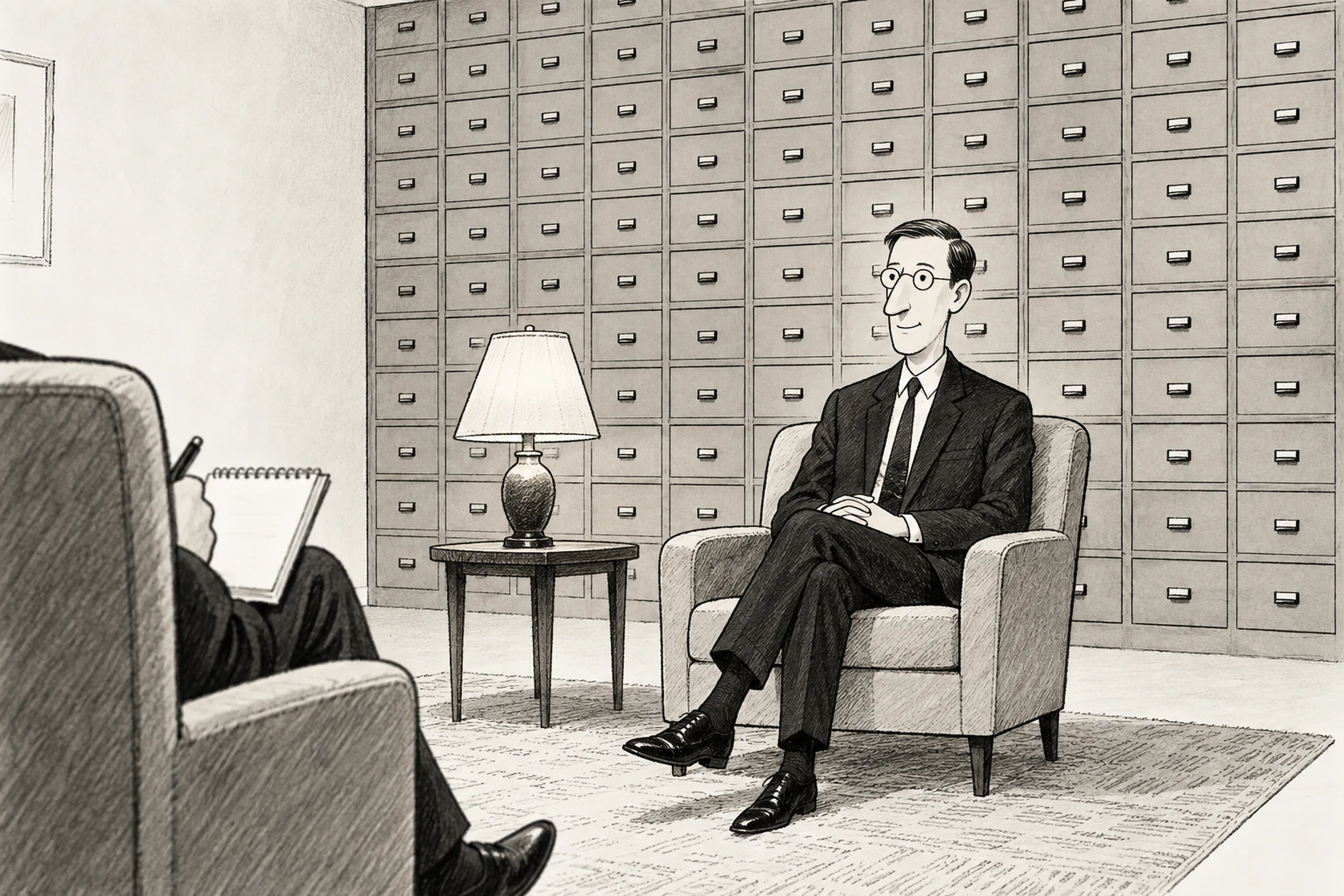
The Query Optimizer Interview: Twenty Minutes, No Hints
The query optimizer sat down for twenty minutes and answered for itself. Why it ignored your index, why one procedure gets a plan built for the wrong caller, what it does when it cannot see your value, and the moment its own plan admits it stopped looking.

The Understudy: A Story About the Human in the Loop
Fiction. The understudy is the person paid to stay ready. Every night a system settles millions of payments in seconds. Four times a year one person does the same work by hand, on paper, against the clock, so that the ability to do it still exists somewhere in the building.
The SQL Advisor: Seven Answers, All Measured
The SQL Advisor answers seven letters with measurements instead of opinions. Table variables, what each index costs on insert, shrinking after a big delete, SELECT star, ORDER BY in a view, heaps, and whether the order of your WHERE predicates matters.
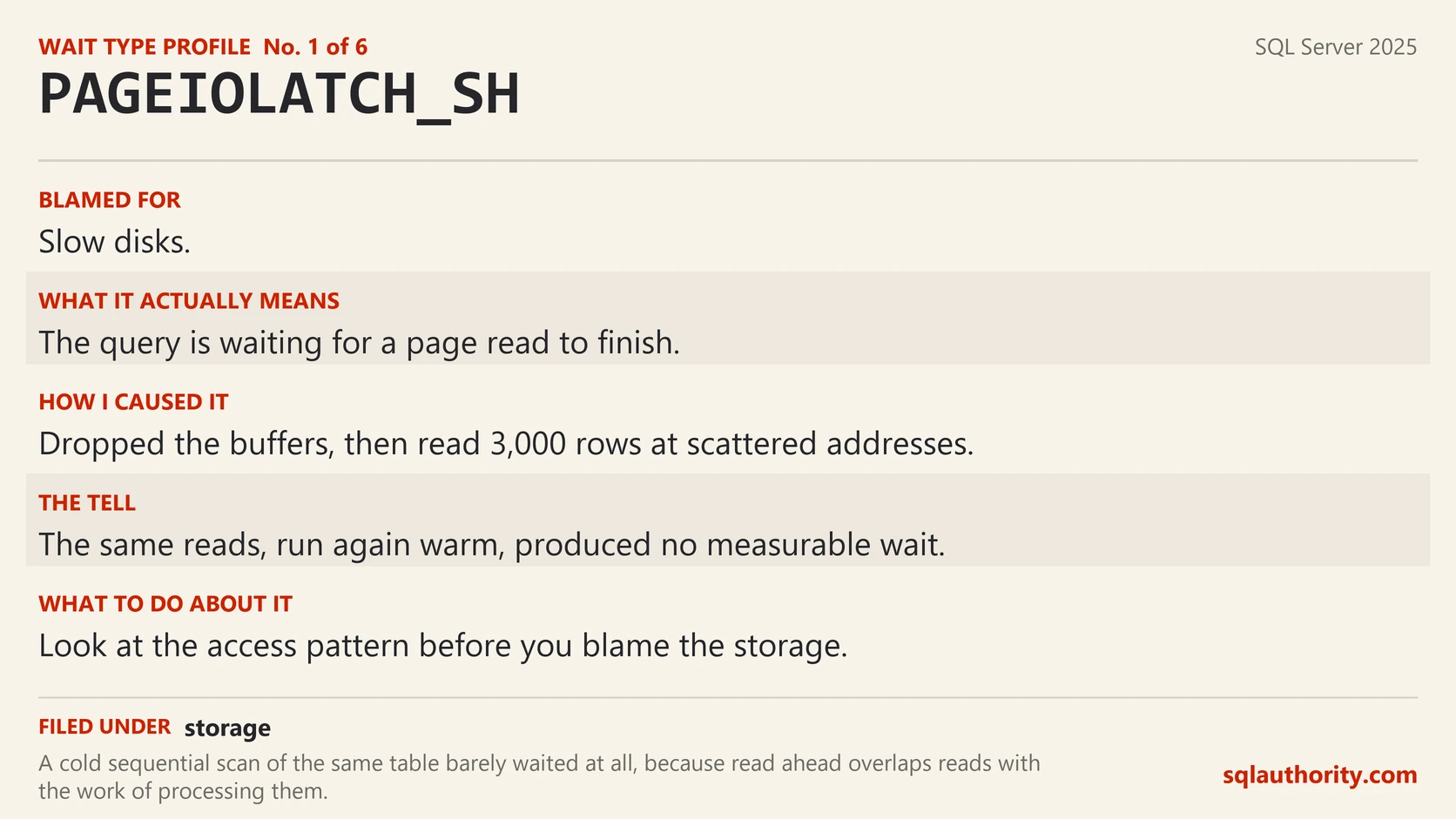
Know Your Wait Types: Six Profiles, All Induced
I caused six wait types on purpose, one at a time, and measured each one for a single session. What each is blamed for, what it actually means, and the numbers it produced on SQL Server 2025. Wait types are the most misread figures in the product.