

Check constraints keep row rules inside SQL Server, but NULL behavior and trusted status determine how much protection they provide.

SQL SERVER – 2008 – New DataTypes DATE and TIME
SQL Server 2008 adds separate DATE and TIME datatypes, something DBAs wanted for years. I compare them with the SQL Server 2005 way of using DATETIME.
SQL SERVER – Difference Between Index Rebuild and Index Reorganize Explained with T-SQL Script
Index Rebuild drops and recreates the index, while Index Reorganize reorders the leaf nodes. Rebuild above 40% fragmentation, reorganize between 10% and 40%.
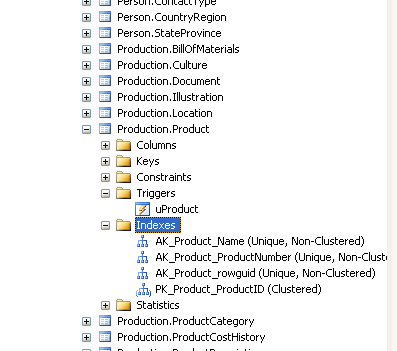
SQL SERVER – Enabling Clustered and Non-Clustered Indexes – Interesting Fact
When enabling clustered and non-clustered indexes, order matters: enabling the clustered index does not enable the others, but rebuilding all indexes does.
SQL SERVER – DISTINCT Keyword Usage and Common Discussion
Can you apply the DISTINCT keyword to only one column in a SELECT? No, it always applies to all the columns. I explain why and get the same result with GROUP BY.

CEILING and FLOOR: Negative Values Change the Direction
CEILING and FLOOR follow numeric order even below zero. This example compares both boundaries with truncation and explicitly defines its displayed decimal types.

Stress Testing a Query Before Release
Stress testing a query before release reveals concurrency and parameter risks; learn to design realistic SQL Server tests and compare useful metrics.