

Reader Praveen Barath adds his own query optimization tips to my rules of thumb: tune only working code, write repeated statements identically and more.

SQL SERVER – Optimization Rules of Thumb – Best Practices
My optimization rules of thumb for a slow running query: read the query plan first, turn scans into seeks, fix bookmark lookups with a covering index and more.

Using Synonyms to Simplify Cross-Database Queries
Using synonyms can hide a cross-database object name from callers, but permissions, dependency checks, and deployment still need care.

Drawing a Diagram of an Existing Database
A diagram of an existing database starts with real foreign keys, uses SSMS to reveal relationships, and records the important paths a picture misses.
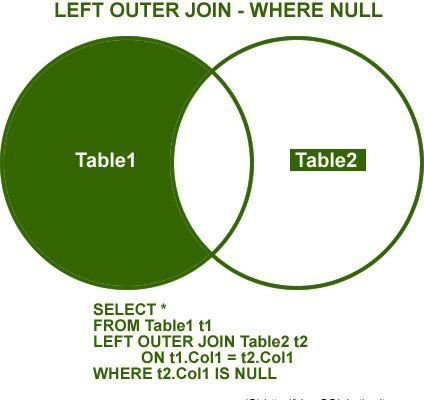
SQL SERVER – Converting Subqueries to Joins
Developers often write subqueries where Joins would do, or the other way around. A short note on converting between the two, with links to my earlier examples.

SQL SERVER – Join Better Performance – LEFT JOIN or NOT IN?
LEFT JOIN or NOT IN: which one gives Join Better Performance? It depends on the data. Compare the two queries and their execution plans on AdventureWorks.

EOMONTH: Month Ends Are Different From DATEADD Month Clipping
EOMONTH gives me a month-end date when that is the actual reporting requirement. DATEADD moves a date by a month. These operations can agree for one step and disagree on the next.

SQL SERVER – Identifiers As Valid Object Names
Chi-Ho Min found you can skip parts of a four part name with dots, like servername…tablename. Here is how identifiers work as valid object names.

SQL SERVER – Is Cursor Database Object or Datatype?
Whenever we want to loop something we always look for logic like WHILE LOOP or FOR LOOP. Trust me on my word that both of them are cursor when it is about SQL Server.

SQL SERVER – Generate Foreign Key Scripts For Database
Madhaiyan Seenivasan’s stored procedure lets you generate foreign key scripts for a whole database, handy when you drop all foreign keys and add them back.