

Diagnose a leading wildcard LIKE scan and compare prefix search, reversed suffix keys, full-text search, and n-gram indexing.
SQL SERVER – DISABLE and ENABLE user SA
You cannot modify the permissions of the SA user, but you can disable and enable user SA with ALTER LOGIN. Log in with Windows authentication first.

SQL Server Express Limits: What the 10 GB Cap Really Means
Check SQL Server Express limits by version, separate data files from logs, and identify the memory, CPU, and scheduling limits that affect you.

SQL SERVER – Find Next Running Time of Scheduled Job Using T-SQL
A scheduled job has recorded scheduling metadata as well as its actual execution history. I check both before promising a next run.

Keeping SSMS Up to Date
Keeping SSMS up to date means reading release notes, choosing a supported channel, planning side by side installs, and checking settings.
SQL SERVER – Change Collation of Database Column – T-SQL Script
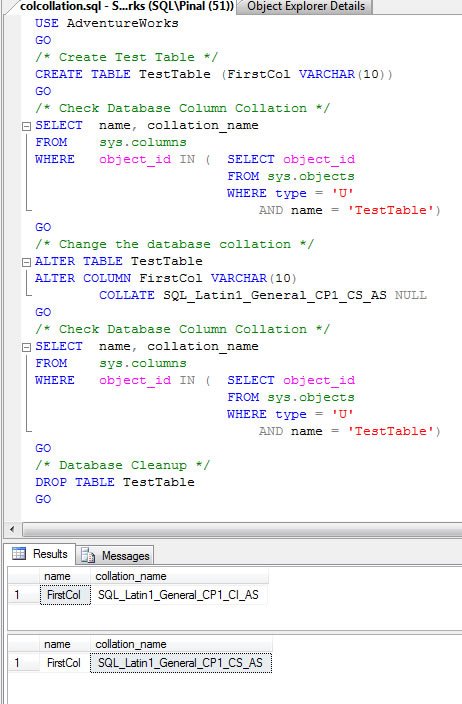
How to change collation of database column with ALTER TABLE ALTER COLUMN and COLLATE, then check it in sys.columns. A short test script shows each step.

Five DMVs Worth Memorizing
Five DMVs worth memorizing show SQL Server sessions, active requests, waits, index use, and file I/O during an incident.

What Breaks When You Upgrade, and How to Find It First
Prepare for a SQL Server upgrade by checking deprecated features, compatibility, collation, plans, and application behavior before moving.
SQL SERVER – Interesting Interview Questions – Revisited
Readers took my Interesting Interview Questions test seriously. See who got the correct answer, and why good T-SQL mattered more than the schema.
SQL SERVER – Find Collation of Database and Table Column Using T-SQL
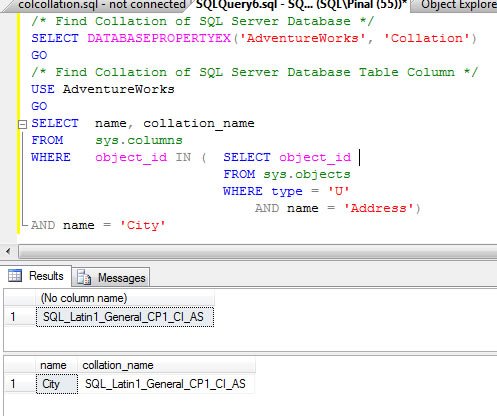
A quick tip to find the collation of database and table column in SQL Server with DATABASEPROPERTYEX and sys.columns, using AdventureWorks.