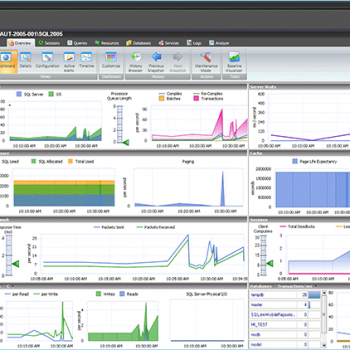
The DBA’s work now stretches beyond keeping databases available. It also includes understanding application workloads, explaining performance changes, and helping teams make sound data decisions. Routine monitoring can provide an earlier signal, leaving the DBA more time to investigate the cause. Here is where a tool such as SQL DM can help, and where the DBA’s judgment remains essential.
The evolving role of the DBA
 The DBA’s traditional responsibility was to manage and maintain databases, ensuring their availability, security, and performance. However, the DBA’s role has evolved to include more strategic duties due to the rise of data-driven decision-making and the proliferation of data sources. Today’s DBAs are expected to collaborate with other teams and stakeholders to understand business requirements, design and implement database solutions and optimize database performance to support organizational objectives. The complexity of database environments has increased, leading to a growing number of database technologies that DBAs must manage, including relational databases, NoSQL databases, cloud databases, and hybrid environments. Furthermore, DBAs must ensure that data from disparate sources are integrated and standardized to enable accurate analysis.
Challenges faced by DBAs
As the role of the DBA continues to evolve, they face new and diverse challenges. Managing multiple database technologies, each with unique challenges, is a common challenge due to the increasing complexity of database environments. Additionally, the growing demand for data-driven insights puts added pressure on DBAs to ensure that data is available, accurate, and timely. To address these challenges, DBAs need to use automation tools to streamline routine tasks and provide real-time performance metrics. Adopting a proactive approach to database management is also necessary, anticipating and addressing potential issues before they impact business operations. Achieving this requires a deep understanding of the organization’s data infrastructure and the ability to collaborate with other teams to design and implement effective solutions.
The importance of performance monitoring
Performance monitoring is a core DBA responsibility. Slow queries, blocking, resource pressure, and failed jobs can disrupt an application long before a database goes offline. Useful monitoring captures a baseline, retains enough history to compare changes, and sends an alert to someone who can act on it. It does not replace tested backups, security controls, or an incident response plan.
Automating performance monitoring with SQL DM
SQL DM helps DBAs collect SQL Server performance history, inspect emerging problems, and configure alerts for conditions that matter to their environment. Alert thresholds and notification actions need deliberate setup; an alert that nobody owns is only another line in a console. The value comes when the DBA can connect a signal to a workload change, investigate it, and work with the application team on a fix.
Historical measurements can also make recurring issues easier to explain. They help a team distinguish an unusual spike from a normal busy period and check whether a change improved matters. A monitoring product does not remove legacy-system debt by itself, but it can provide evidence for deciding what to address next.
Conclusion
The DBA still owns the fundamentals of availability, recovery, security, and performance. The expanding part of the role is making those technical findings useful to the rest of the business. SQL DM can reduce repetitive checking and provide timely evidence, provided its alerts are tuned and its findings are verified. That gives the DBA room to spend more time on diagnosis, prevention, and better database design.
Published by Pinal Dave on SQLAuthority. More of my work at pinaldave.com.
Discover more from SQL Authority with Pinal Dave
Subscribe to get the latest posts sent to your email.