SQL Azure – Add IP Address to Firewall

To Add IP Address to Firewall rules, I first confirm the intended Azure SQL network path. A home connection prompted this walkthrough.

A narrow courtyard entrance remains separate from the secured cabinet inside.

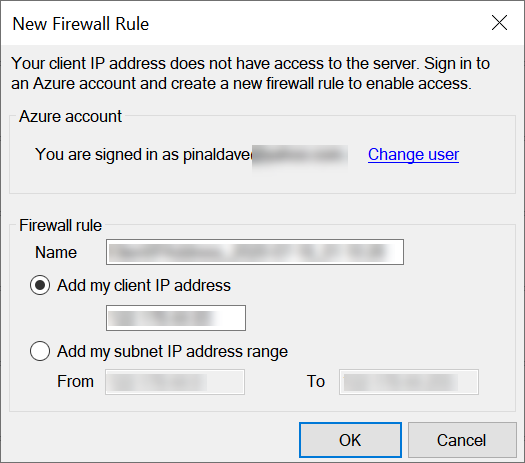
The customer keeps control of their computer and credentials during my consultation. Their current public address fell outside the permitted rules. That prevented the home connection to Azure SQL.
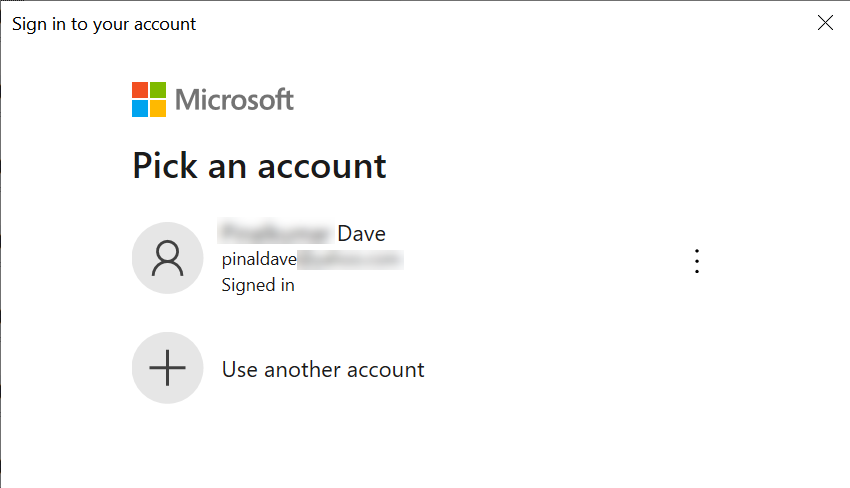
Historical Azure SQL connection and firewall walkthrough, image 1. Portal labels and sign-in dialogs can change.
Historical Azure SQL connection and firewall walkthrough, image 2. Portal labels and sign-in dialogs can change.
Historical Azure SQL connection and firewall walkthrough, image 3. Portal labels and sign-in dialogs can change.
Historical Azure SQL connection and firewall walkthrough, image 4. Portal labels and sign-in dialogs can change.
Historical Azure SQL connection and firewall walkthrough, image 5. Portal labels and sign-in dialogs can change.
  1. Identify the logical server and the client’s current public egress IP, including the effect of a VPN or network gateway.
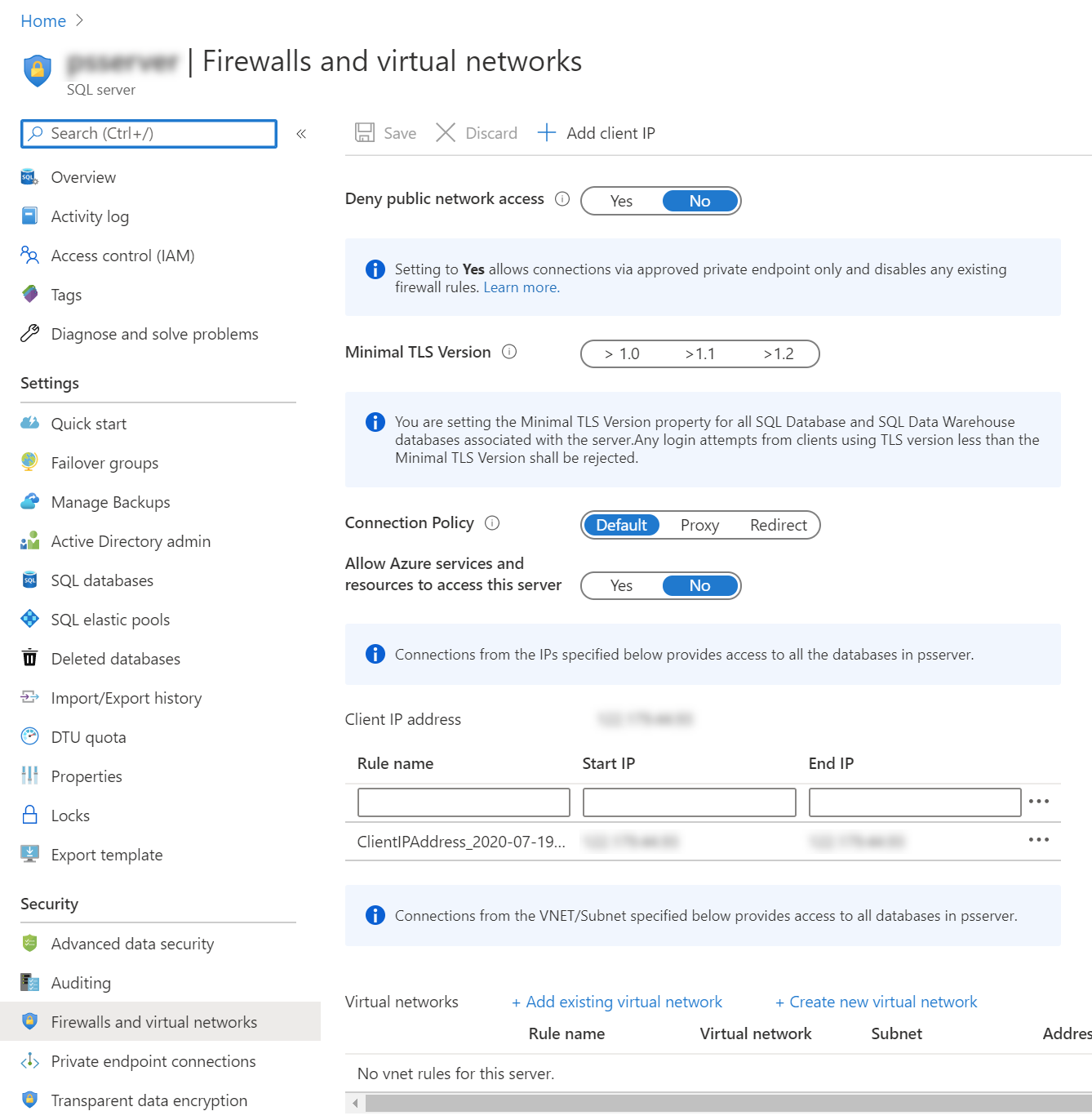
  2. Have an authorized administrator open the server’s Networking settings in the Azure portal.
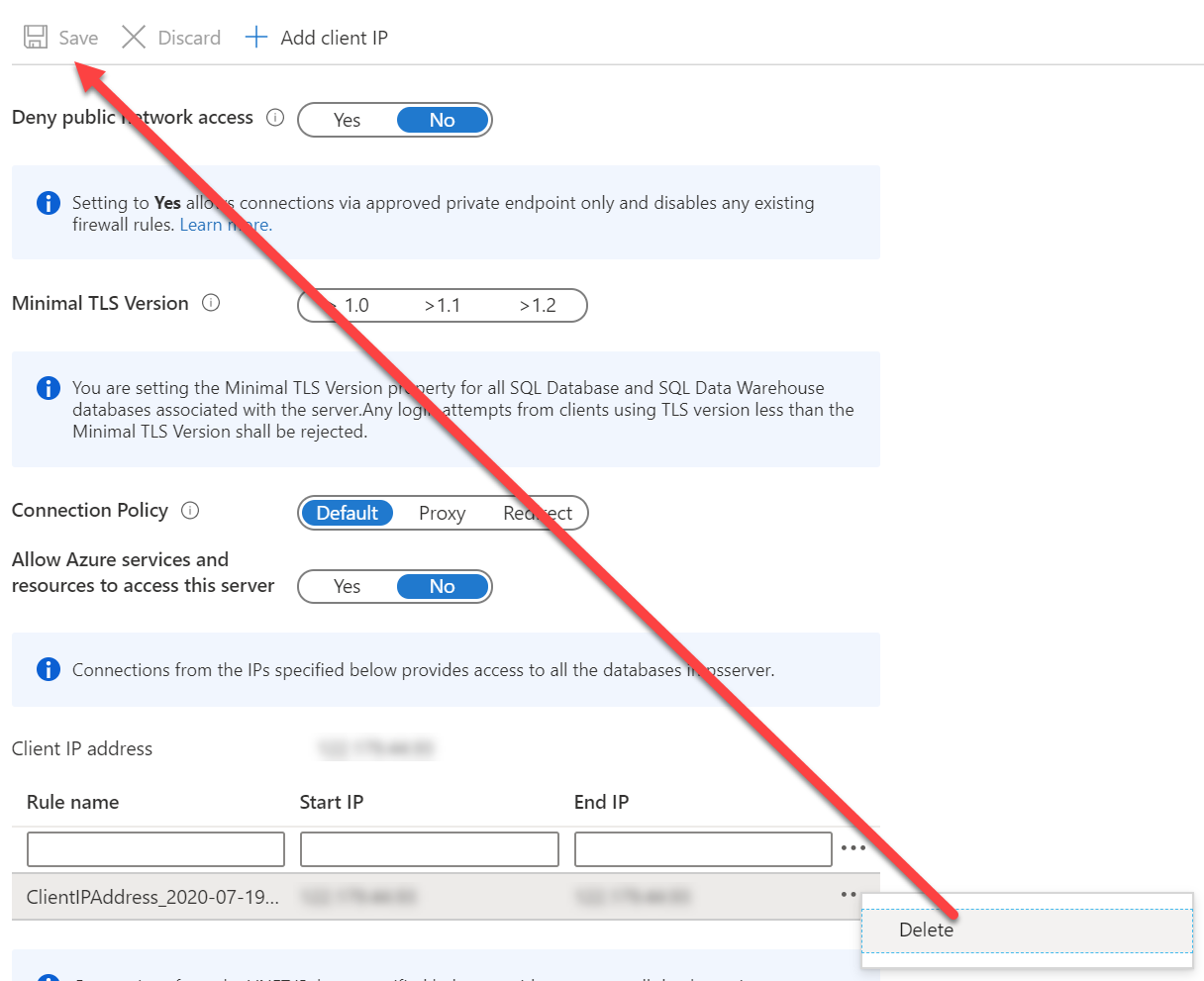
  3. For an approved public-endpoint configuration, allow the narrow required address or range and save the change.
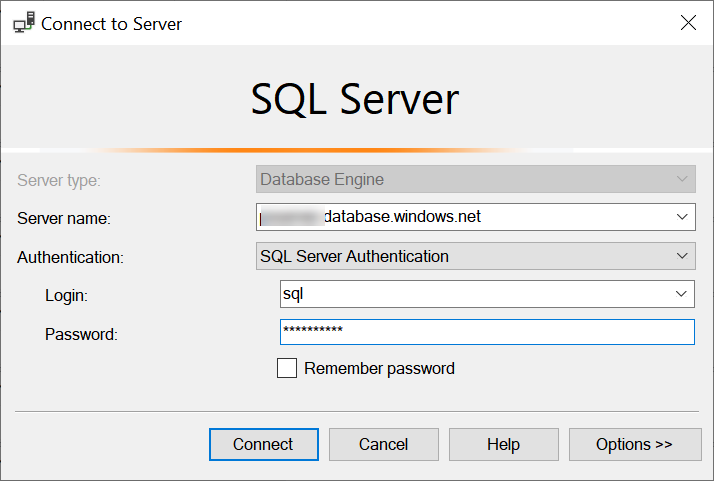
  4. Retry the connection and separately verify the SQL identity and database permissions.

The old SSMS sign-in dialog offered a convenient rule-creation path. Current clients don’t necessarily expose that same workflow. Private endpoints require their own routing and DNS. Don’t enable public access to bypass that design.

Review existing rules with their owners before removal. Save approved changes and test affected clients. Avoid unrestricted ranges or broad Azure-service access solely to remove the error.

Reference: Azure SQL server firewall procedure.

Related reading

A firewall permission is not database authorization, it is permission to reach the endpoint over the network.

Published by Pinal Dave on SQLAuthority. More of my work at pinaldave.com.


Discover more from SQL Authority with Pinal Dave

Subscribe to get the latest posts sent to your email.

Computer Network, SQL Azure, SQL Server, SQL Server Security
Previous Post
Logging Free Space per Volume Into a Table Each Day
Next Post
Azure SQL Firewall Rules: List, Add and Remove With T-SQL

Related Posts

Leave a Reply

Your email address will not be published. Required fields are marked *

Fill out this field
Fill out this field
Please enter a valid email address.