

No join predicate prompts a relationship check. Compare all combinations with exact customer-order pairs before changing indexes or hiding duplicates.

Adaptive Joins: When the Plan Picks Its Join at Run Time
Understand adaptive joins in SQL Server, read their runtime threshold, inspect the actual choice, and test a query hint safely.
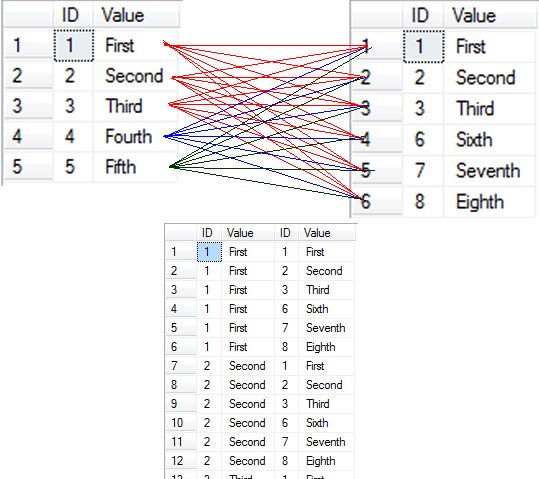
SQL SERVER – Introduction to JOINs – Basic of JOINs
A simple introduction to JOINs: INNER JOIN and the three OUTER JOIN types, written for members of the Gandhinagar SQL Server User Group who asked for it.

SQL SERVER – Logical Query Processing Phases – Order of Statement Execution
Logical Query Processing is the order in which SQL Server handles each clause of a statement, with FROM and ON first and SELECT near the end. Here are the phases.

FIFO Inventory Costing in T-SQL: Matching Sales to Purchase Lots
Which purchase lot paid for which sale? Two running totals and one join answer it, with no cursor and no loop.

LEFT JOIN ON Clause: Conditions Decide Matches, Not Rows
Why a condition in ON keeps every customer, why a left-side condition removes nobody, and how one WHERE quietly undoes two LEFT JOINs.
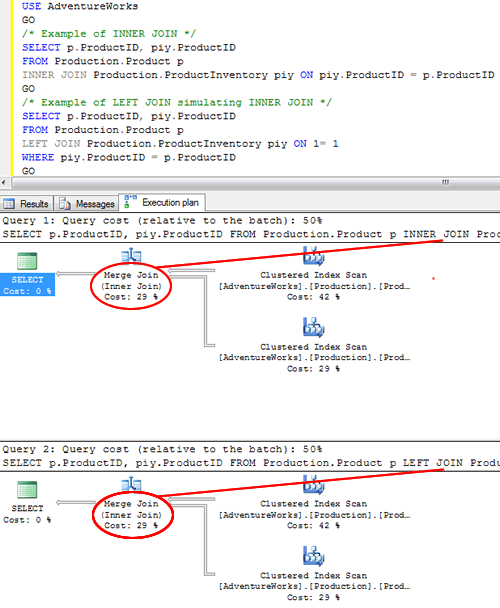
SQL SERVER – INNER JOIN using LEFT JOIN statement – Performance Analysis
Can you write an INNER JOIN using LEFT JOIN? Yes, and the result is the same, but my performance analysis in AdventureWorks shows why you should not.