
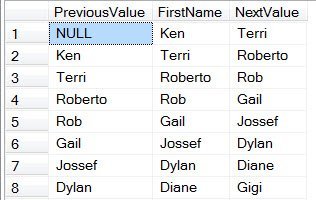
Part 4 on reading the previous row and next row value in a SELECT statement. My friend Szymon Wojcik shows how a numbers table can make the query even faster.
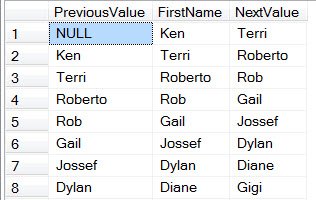
SQL SERVER – How to Access the Previous Row and Next Row value in SELECT statement? – Part 3
My part 2 solution used ROW_NUMBER, which SQL Server 2000 does not have. Here is how to access the previous row and next row in SQL Server 2000.

Granular Server Roles: ##MS_ServerStateReader## and Friends
Assign granular server roles in SQL Server 2022, inspect membership, and give monitoring accounts the state access their queries need.
SQL SERVER – How to Access the Previous Row and Next Row value in SELECT statement? – Part 2
No CTE in your SQL Server 2005 code? Here is another way to get the previous row and next row value in a SELECT statement, using ROW_NUMBER.
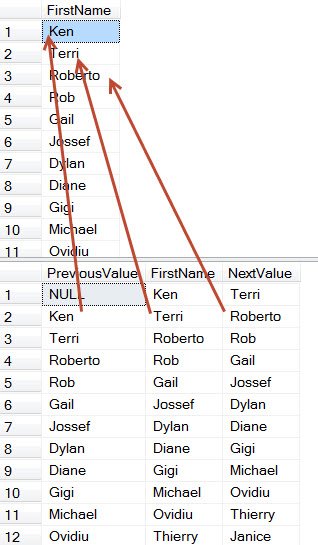
SQL SERVER – How to Access the Previous Row and Next Row value in SELECT statement?
How do you access the previous row and next row value in a SELECT statement? In SQL Server 2012 the LEAD and LAG analytic functions make it simple.

UPDATE() in a Trigger Is True Even When Nothing Changed
Understand why UPDATE() in a trigger fires for unchanged SET values and log only real changes with inserted and deleted row comparisons.

Developer – Best Practices for Daily Stand-Up or Daily Scrum – Rules and Regulations
Scrum is an Agile Software Development framework that helps teams complete projects efficiently while maintaining high quality.